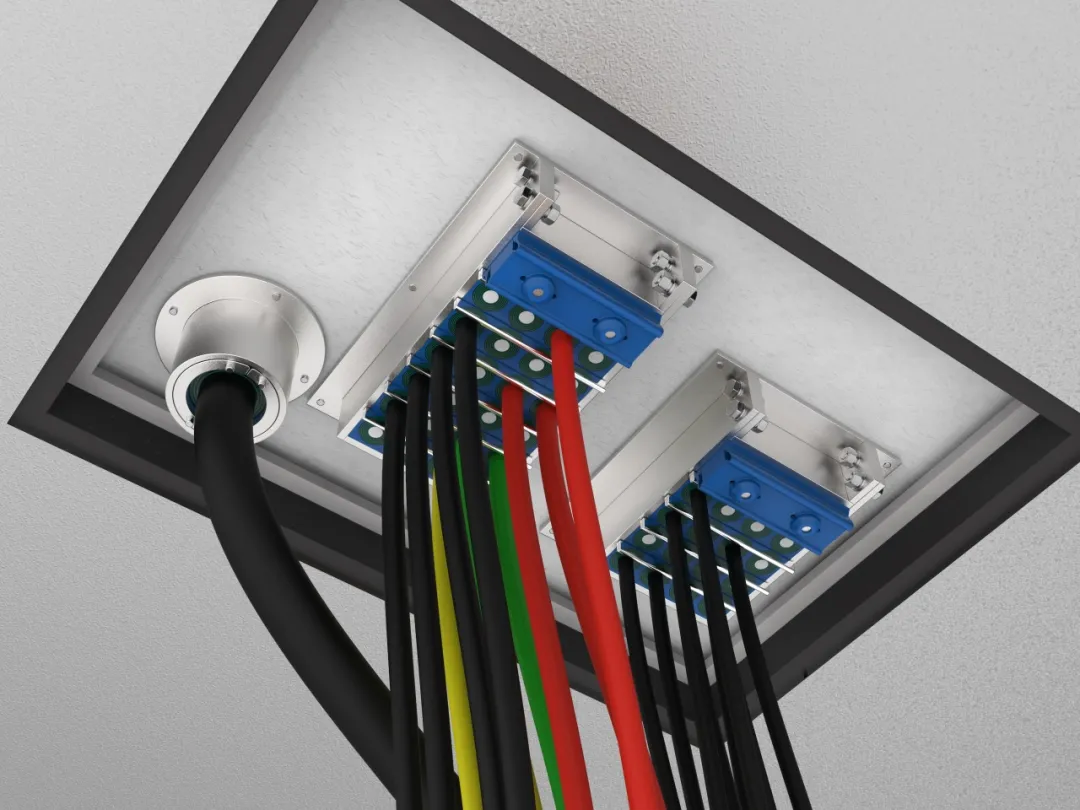
The performance of IP68 seals is not linearly consistent across different water depths; rather, it is influenced by hydrostatic pressure, material properties, structural design, and time. While the IP68 standard allows manufacturers to customize test conditions (such as “1.5 meters/30 minutes” or “10 meters/7 days”), in practical applications, the hydrostatic pressure increases by approximately 0.1 MPa (1 bar) for every 10 meters of water depth, posing a progressively greater challenge to the sealing system.
The following is a detailed explanation of the performance, failure risks, and engineering solutions for IP68 seals in typical water depth ranges:
- Core Principles of the Relationship between IP68 Sealing Performance and Water Depth
Hydrostatic pressure formula:
P = ρgh
where :
PP: Hydrostatic pressure (Pa)
ρρ: Density of water (seawater ≈ 1025 kg/m³)
gg: Gravitational acceleration (9.8 m/s²)
hh: Water depth (m)
water depth | Hydrostatic pressure (freshwater) | Hydrostatic pressure (seawater) | Impact on sealing |
1 m | 0.01 MPa | 0.01 MPa | Slight compression is handled by a standard EPDM. |
10 m | 0.1 MPa | 0.103 MPa | The sealing lip requires higher preload. |
30 m | 0.3 MPa | 0.308 MPa | Regular O-rings may “squeeze out”. |
100 m | 1.0 MPa | 1.03 MPa | Requires retaining ring + high hardness material |
300 m | 3.0 MPa | 3.08 MPa | Approaching industrial limits, requiring special design |
⚠️ Key point: IP68 certification does not mean unlimited applicability! It must be based on the specific parameters declared by the manufacturer.
- Performance and Risks in Different Water Depth Ranges
- Shallow water area (0–10 meters)
Typical applications: swimming pool cleaning robots, aquaculture sensors, and urban flood monitoring equipment.
Performance:
The standard IP68 module (EPDM + 304 stainless steel) can operate stably;
Soaked for 72 hours without water entering;
The main risks come from biological attachment (algae clogging drainage holes) or mechanical impact.
Recommended solution:
Single O-ring + cap structure;
Smooth surface treatment for stain resistance.
- Medium water depth (10–50 meters)
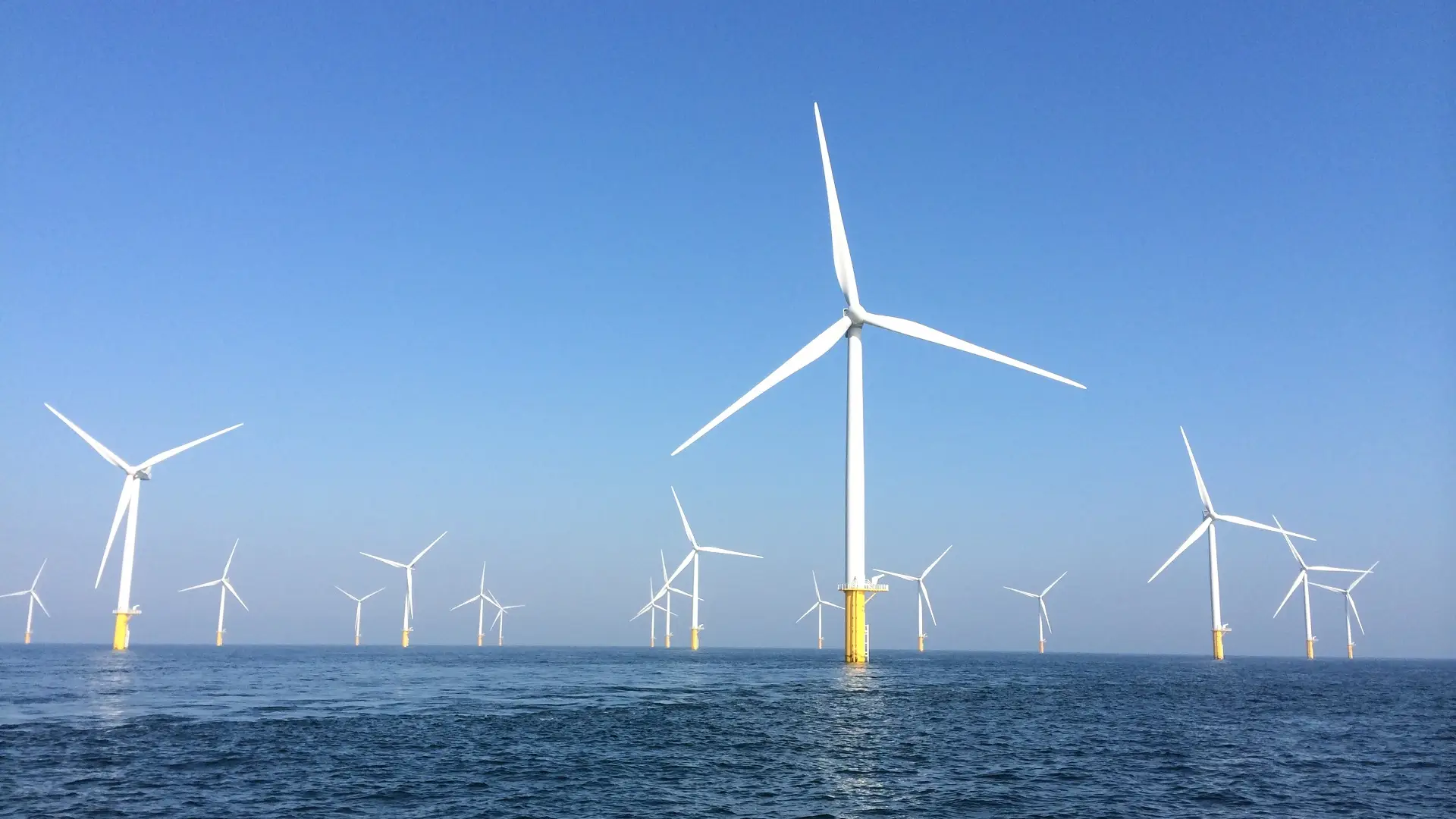
Typical scenarios: Port inspection ROV, offshore wind power foundation monitoring, and reservoir dam inspection.
Performance:
Ordinary EPDM experiences increased compression set and decreased resilience after prolonged immersion.
Without a backup ring, the O-ring may be squeezed into the gap (extrusion) at 0.3MPa.
Chloride ions in seawater accelerate metal corrosion.
Failure Case:
A wind power project used an IP68-1.5m module for a water depth of 15m. Three months later, water entered the junction box due to seal extrusion.
Recommended solution:
Double O-rings + PTFE retaining rings;
The frame has been upgraded to 316L stainless steel;
Material hardness ≥70 Shore A.
- Deep water area (50–300 meters)
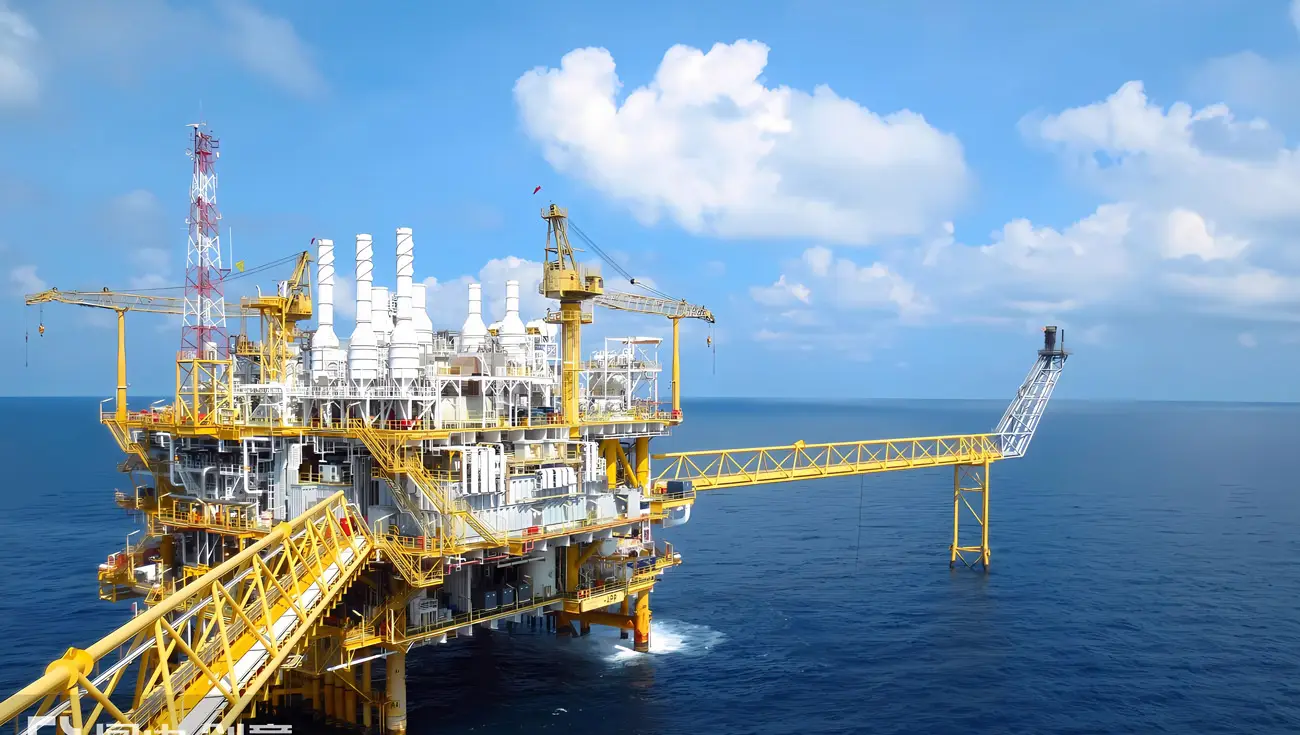
Typical scenarios: Deep-sea exploration ROV, submarine fiber optic cable repair, and oil and gas platform inspection.
Performance:
EPDM has an increased elastic modulus and becomes brittle at low temperatures (usually <5°C in the deep sea).
High pressure causes grease to leak out, and dry friction exacerbates wear.
Helium permeability increased significantly (helium leak detection verification required).
Technical requirements:
Sealing material: Fluororubber (FKM) or perfluoroether rubber (FFKM);
Structure: Metal-to-metal main seal + elastic auxiliary seal;
Shell: Titanium alloy or high-strength aluminum alloy (pressure resistant and non-deformable).
Industry standard:
Requires API 17F or DNV-RP-F119 deep-sea equipment certification.
- Extremely deep water (>300 meters)
Note: This depth typically exceeds the standard IP68 range and enters the realm of pressure vessel level seals.
Solution:
An oil-filled and pressure-balanced system is used to eliminate the internal and external pressure difference.
The electronic compartment is fully encapsulated (without any penetrating components);
The IP rating concept gives way to absolute pressure tolerance (such as “withstands 60 MPa”).
III. Time Factor: Short-Term vs. Long-Term Immersion
Soaking time | Influence mechanism | Response measures |
<1 hour | Instantaneous action of static pressure | Standard IP68 is sufficient |
24–72 hours | Material absorbs water and expands, stress relaxes | Use EPDM with low water absorption (<0.5%). |
>1 week | Accumulation of permanent compression deformation, microbial erosion | Add redundant seals and perform regular maintenance. |
>1 year (static) | Aging-driven failure | Design lifespan matching, mandatory replacement upon expiration. |
📊 Data Reference:
A certain EPDM seal at 0.3MPa (30m):
72 hours: Leakage rate <1×10⁻⁴ mL/s;
30 days: Compression set reaches 35%, micro-permeability begins.
- Manufacturer Labelling Standards and User Instructions
According to IEC 60529, IP68 must specify the conditions, for example:
✅ Compliance label: IP68 (5 m, 7 days)
❌ Non-compliant labeling: Only writing “IP68”
User self-inspection checklist:
Does the manufacturer provide third-party test reports (such as TÜV, UL)?
Is the test medium fresh water or seawater? (Seawater is more corrosive)
Does it include temperature cycling (e.g., -10°C → +40°C)?
Should we verify the dynamic operating conditions (vibration + pressure)?
- TST SEAL Selection Recommendation: Match the sealing rating according to water depth.
Actual water depth | Recommended IP68 specifications | Sealed structure | Material |
0–3 m | IP68 (3m, 72h) | Single lip compression seal | Standard EPDM |
3–30 m | IP68 (30m, 24h) | Double O-rings + retaining rings | High-hardness EPDM (75A) |
30–100 m | IP68 (100m, 1h) | Maze + Metal Seal | FKM + 316L |
>100 m | IP68 and above requires customization | Oil compensation + full potting | FFKM / metal seal |
IP68 sealing modules is highly dependent on specific water depth, time, and media:
Shallow water: General-purpose IP68 modules are reliable;
For medium to deep water applications: the pressure-time curve must be verified to avoid situations where the nominal IP68 rating is insufficient in practice.
Deep water: The IP68 concept is weakened, and the focus shifts to pressure-resistant design.
TST SEAL’s ultimate principle:
“Don’t just look at the IP68 label, look at the test data behind it” – especially in high-risk fields such as marine, energy, and military industries.
For advice and solutions on selecting sealing modules, please feel free to contact me via email .