When doing nuclear-grade projects, everyone in the industry knows an iron rule: if the materials are reduced by one level, the safety will be reduced ten times.
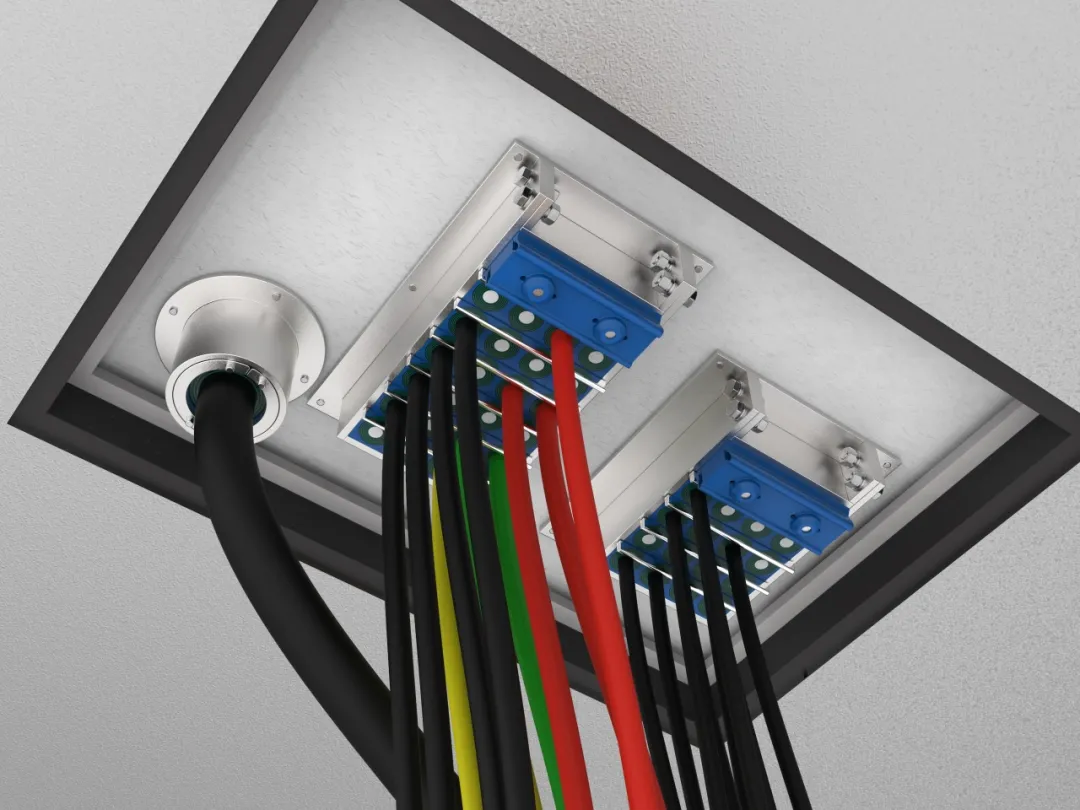
All metal structural components of TST SEAL hot chamber replaceable penetration parts are strictly prohibited from downgrading and substituting industrial materials. They use nuclear-grade special 022Cr19Ni10 stainless steel base material. All performance indicators are verified by actual measurements in accordance with nuclear industry specifications. Data are traceable, testing is verifiable, and quality control is traceable. Hard-core material data is used to build the first line of defense for the structural safety of nuclear-grade penetration parts.
Main metal base material
022Cr19Ni10 stainless steel
Core selection basis
As the exclusive base material for core load-bearing components such as penetration barrels, flanges, and structural connectors, this nuclear-grade stainless steel is specially developed for the harsh working conditions of nuclear facilities. It comprehensively surpasses ordinary industrial stainless steel in the five dimensions of corrosion resistance, structural strength, seismic performance, irradiation stability, and welding reliability, and all key indicators are strictly controlled.
01 · Corrosion resistance: suitable for weak corrosion and high humidity environments in hot chambers to prevent intergranular corrosion damage
There is a long-term sealed environment of weak acid and weak alkali medium volatilization and high humidity inside the hot chamber. Ordinary steel is prone to rust, intergranular corrosion and local perforation problems. The intergranular corrosion performance of this nuclear-grade stainless steel fully complies with the authoritative testing standard of GB/T 4334. It has served in weak corrosion and high-humidity alternating environments for a long time. It does not rust, corrode, or perforate, and its structural integrity remains stable for a long time.
02 · Structural mechanical strength: stable load, no deformation under long-term pressure
The structural strength tolerance of nuclear-grade equipment is extremely small, and excessive deformation will cause sealing dislocation and shielding failure. The measured mechanical properties of the base material meet the hard core standards:
📌Yield strength ≥205MPa, excellent deformation resistance;
📌Tensile strength ≥520MPa, structural load-bearing safety and redundancy are sufficient;
Long-term pressure, force and deformation are controllable, eliminating various safety hazards caused by plastic deformation of the structure.
03 · Seismic performance: Meets seismic level I standards, fully adaptable to SL2 seismic load conditions
Nuclear facility equipment must have extremely strong seismic resistance and withstand the impact of extreme earthquake conditions. The base material and the overall structure fully meet the requirements of nuclear seismic level I and are suitable for SL2 extreme earthquake load conditions. When an earthquake occurs, the structure will not tear, the connections will not fall off, and the equipment will not fail. It can still remain safe and usable after the earthquake.
04 · Irradiation stability: long-term exposure to strong radiation, controllable attenuation of mechanical properties
Strong radiation environment will continue to damage the internal structure of metal materials, causing the material to embrittle and reduce its strength. This nuclear-grade stainless steel has undergone special radiation aging verification: under the condition of cumulative irradiation dose ≥10⁶Gy, the mechanical properties are attenuated by <5%, and the performance is stable during the service cycle, with no obvious risk of embrittlement, weakening, or failure.
05 · Welding process performance: 100% non-destructive testing, welding quality nuclear grade qualified
All metal parts welding operations are performed by nuclear-grade certified welders, with full penetration structural design and 100% PT penetration testing after welding. All of them meet Grade I qualification standards. There are no welding defects such as thermal cracks, incomplete penetration, slag inclusions, and pores. The strength of the welded joints is the same as that of the base material.
Bottom line of material quality control: the whole process is traceable, never shoddy quality
TST SEAL hot chambers have replaceable penetrating parts. All nuclear-grade metal raw materials must be inspected before entering the factory, with full production quality control and finished product sampling and verification. Each batch of materials comes with a material certificate, test report, and traceability ledger, and traces of the entire process can be checked. Resolutely prevent ordinary industrial stainless steel from replacing nuclear-grade base materials, do not save costs on materials, and do not compromise on safety.