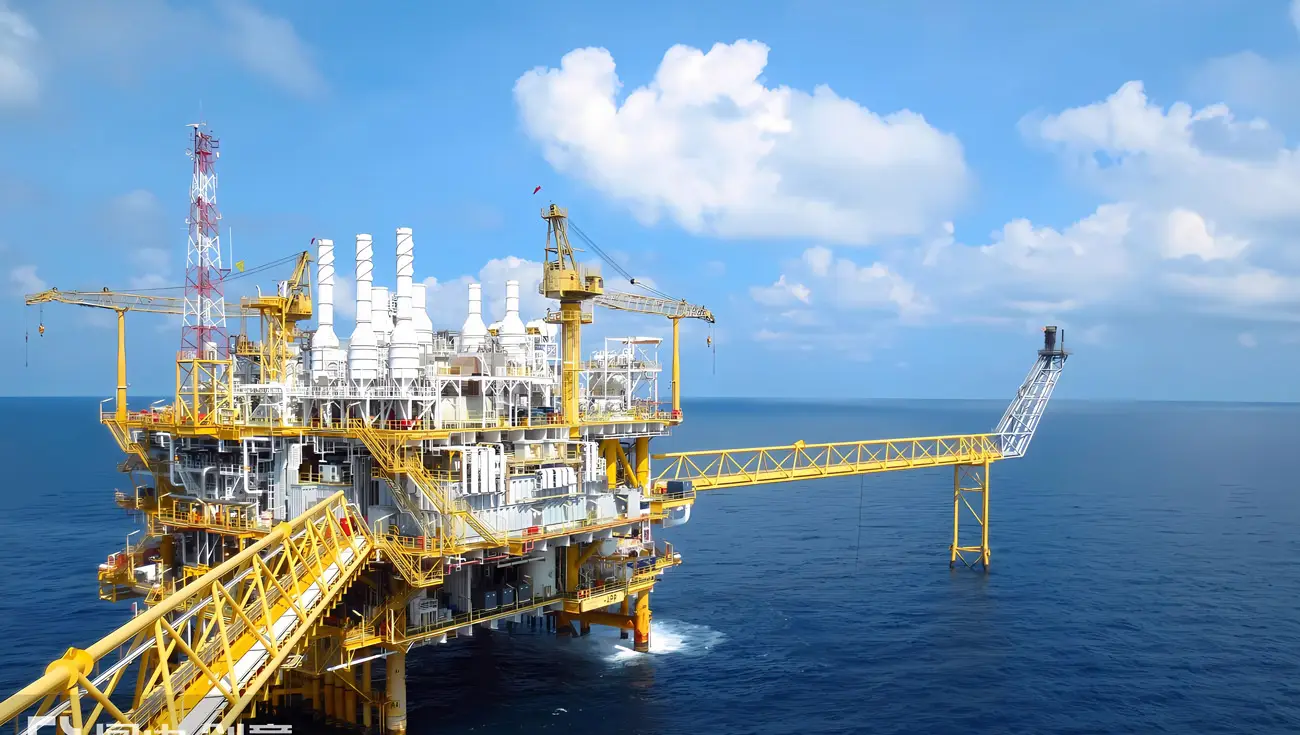
In today’s era of rapid growth in new energy storage, the sealing of cables and conduits penetrating through critical areas—such as energy storage cabins, containers, combiner cabinets, wind turbine towers, and power distribution rooms—is no longer merely a matter of “simply plugging a hole.” Rather, it constitutes a vital lifeline engineering task directly impacting a power station’s fire safety, explosion protection, waterproofing, and electromagnetic interference shielding.
Why is it that, despite employing sealing methods, some projects still suffer from air and water leaks, or prove impossible to modify later on? Why do penetration points often become conduits for fire propagation during fire incidents? And why is it that the longer a facility operates, the more safety hazards accumulate and the higher the costs of retrofitting become?
As the 14th International Energy Storage Summit and Exhibition is currently in full swing in Beijing, TST SEAL—addressing the sealing safety issues of greatest concern to the industry—has compiled a list of the “7 Major Questions” regarding penetration sealing safety in the energy storage sector. This initiative aims to comprehensively clarify the key pain points, relevant standards, and effective solutions in a single overview.
Q1: Given the high-density cabling within energy storage cabins, how can sealing be executed to ensure an organized layout, leak-proof integrity, and freedom from safety hazards?
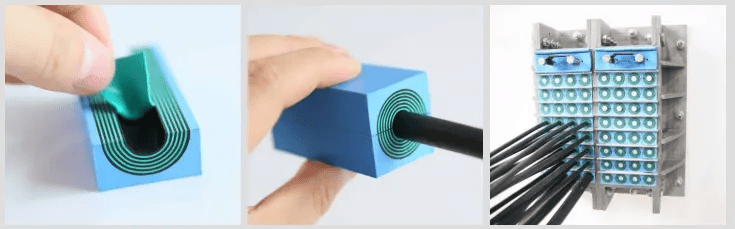
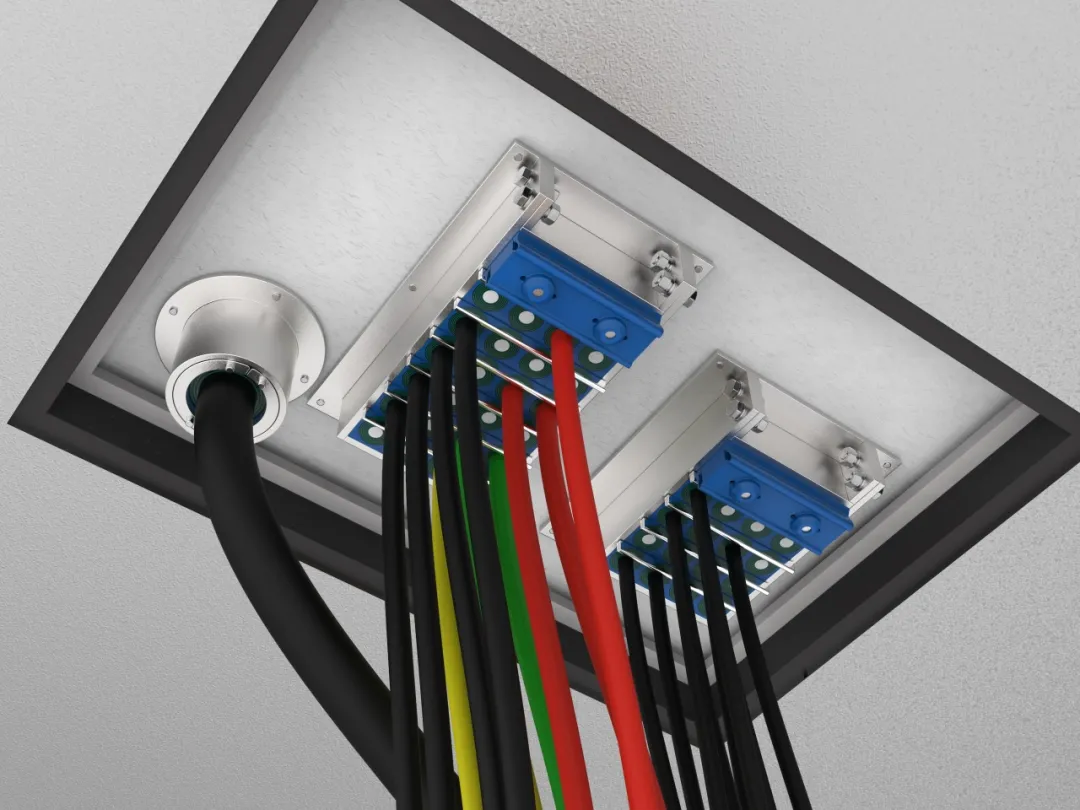
Energy storage containers, inverter cabinets, and power distribution rooms typically feature dense cable arrays. Traditional sealing methods struggle to accommodate cables of varying specifications, often resulting in gaps, loose connections, and an inability to add or remove cables during subsequent modifications. The TST MCT modular sealing system supports “multiple cables per single opening” and high-density routing; its peelable core layers allow for flexible diameter adjustment, thereby truly achieving organized cabling and robust protective sealing.
Q2: What firestopping rating must be achieved to uphold the fundamental safety baseline for energy storage facilities?
Energy storage power stations are subject to stringent fire safety regulations. Should the firestopping integrity at penetration points fail, these openings can easily become conduits for the propagation of flames and smoke, creating significant safety hazards. The TST penetration sealing system features UL94 V0-rated flame retardancy and A60-rated fire integrity; select products offer a fire resistance duration of up to 3 hours. These capabilities enable the effective delineation of fire zones, blocking the spread of flames and the infiltration of smoke within specified timeframes. Furthermore, the system possesses excellent explosion-isolation and explosion-protection capabilities, thereby minimizing the scope of any potential incident and providing a reliable safeguard for emergency response operations.
Q3: In environments characterized by high humidity, condensation, or salt spray, how can sealing solutions be ensured to resist aging and failure over the long term? Coastal facilities, underwater conduits, hydroelectric power stations, and outdoor cabinets are highly susceptible to moisture and corrosion; traditional sealing materials often become brittle or suffer from water ingress. TST employs a proprietary combination of self-developed EPDM rubber and corrosion-resistant metal frames to provide UV resistance, salt-spray durability, and anti-aging properties. With an IP68 protection rating, our solutions effectively prevent moisture and condensation ingress at the source.
Q4: Wind turbine towers experience significant vibration; how can one prevent seals from cracking or detaching?
Wind power and energy storage environments are subject to frequent vibrations, causing standard sealing solutions to loosen and fail. Our system incorporates anti-vibration sealing components to cushion shock impacts. Combined with a single-sided installation structure, it is perfectly adapted for the confined spaces within wind turbine towers, ensuring long-term stability and consistent performance.
Q5: Do power station expansions or cable rerouting projects require breaking through walls and re-sealing from scratch?
Traditional sealing methods involve single-piece molding; consequently, adding or removing cables later requires destroying the original structure—a process that is costly, time-consuming, and creates significant safety hazards. The MCT sealing system supports redundant expansion and modifications without requiring system shutdowns. It can be repeatedly opened and resealed without damaging the existing structure, thereby significantly reducing total lifecycle costs.
Q6: How can equipment stability be ensured in environments with strong electromagnetic interference?
Distribution rooms, auxiliary control rooms, and high-voltage compartments feature complex electromagnetic environments where interference can compromise the safety and integrity of control systems. Our dedicated EMC (Electromagnetic Compatibility) solutions shield against interference and stabilize electric fields, ensuring the reliable operation of electrical equipment.
Q7: What authoritative certifications are required for seals to ensure compliance for international projects and final project acceptance?
Audits for domestic and international project acceptance—including those by classification societies, fire safety authorities, explosion-protection bodies, and environmental agencies—are becoming increasingly stringent. Non-compliance can directly impede grid connection and project handover. TST products hold certifications from numerous international classification societies, as well as fire safety, explosion-protection, and environmental compliance bodies, offering a one-stop solution to meet the regulatory requirements of both domestic and overseas projects.
Interested in a sealing solution tailored specifically to your project?
We invite you to email TST SEAL to discuss your needs; our professional engineers are available to provide personalized, one-on-one consultations:
Sealing Solutions for Energy Storage Containers
Cable/Pipe Penetration Seals for Wind & Solar Power Systems
Firestop Sealing / EMC Solutions / Explosion-Proof Designs
Retrofitting and Optimization for Aging Facilities


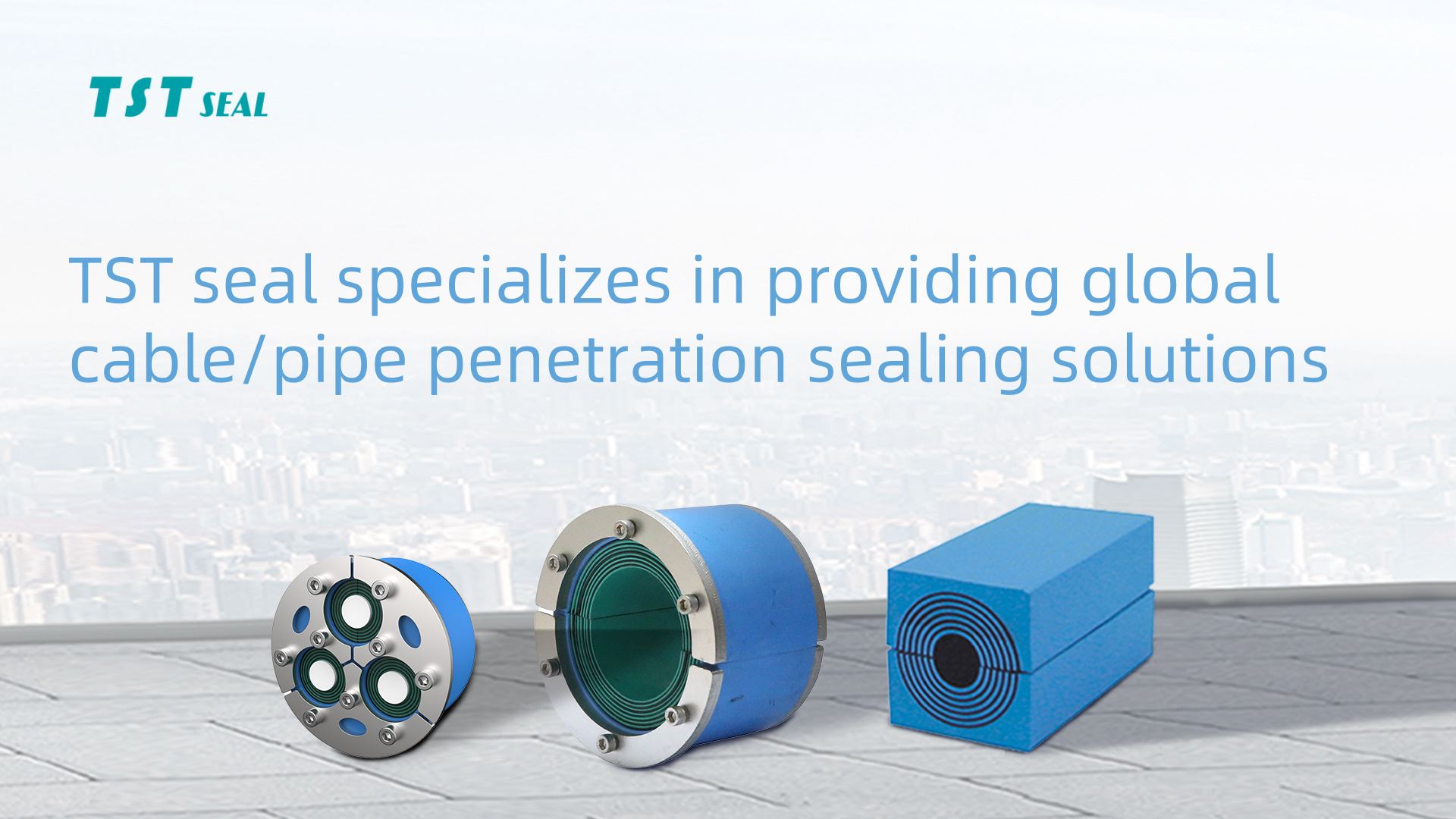
Cable sealing module
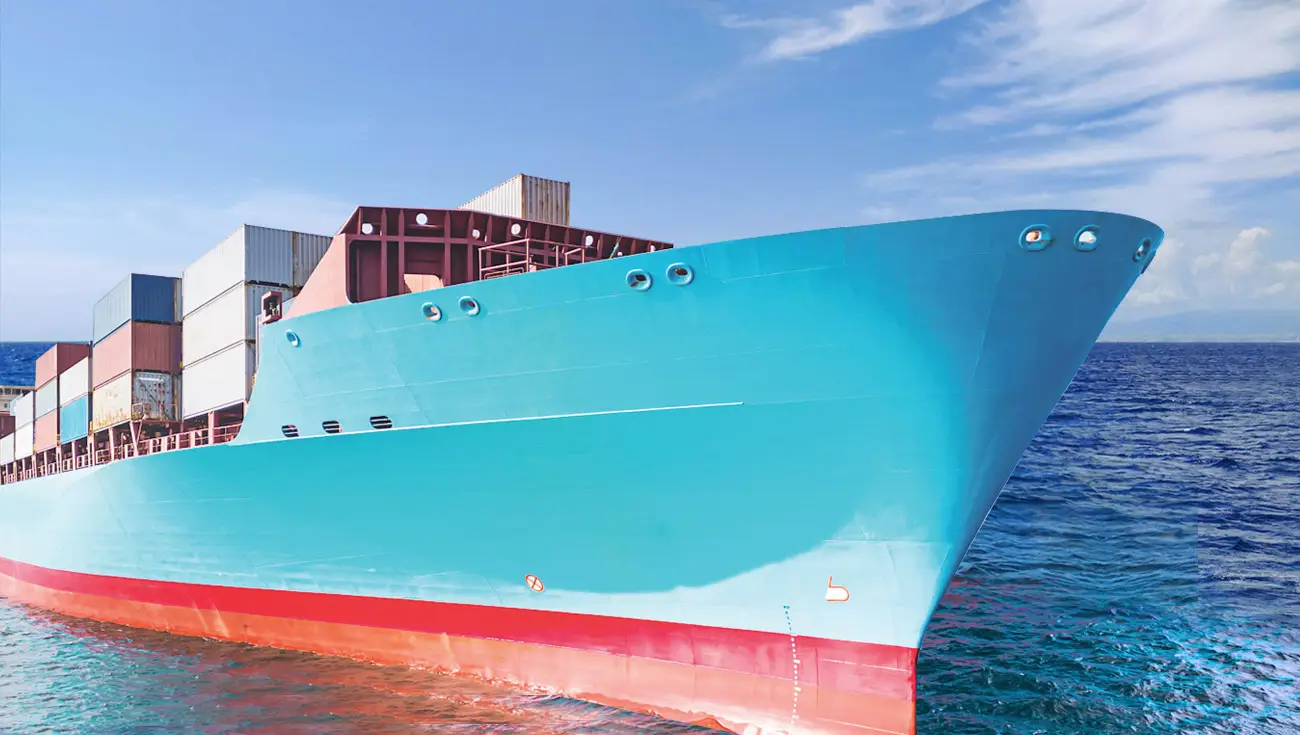
Due to the particularity of the marine environment, ships sailing at sea need to withstand the test of harsh environment, fire, gas, seawater, salt spray, corrosion and other risks. The sealing performance of pipeline and cable penetration systems is particularly important.
Ship cable sealing method
Common ship cable sealing devices can be divided into: traditional injection type, stuffing box type and new modular sealing device according to the structure.
Traditional sealing methods have many disadvantages, such as: increasing the burden on the hull, poor fireproof and sealing performance, and high maintenance costs in the later stage.
The most advanced technology on the market at present is the ship modular cable/pipe sealing system (Multi Cable Transit), referred to as MCT. However, the domestic market of this product has long relied on imports and the price is very expensive.
TST SEAL has always focused on the upgrading and transformation of cable/pipe modular sealing solutions for many years. The modular cable/pipe sealing system it produces can completely replace foreign brands in terms of performance, but the price is lower than that of imported products.
TST SEAL domestic modular cable sealing system
TST SEAL domestic modular cable penetration device is a product certified in the field of ships, which can achieve Class A separation. Its fire resistance level is divided into A-0, A-15, A-30, and A-60. In addition to fire resistance, it can also have functions such as sealing, electromagnetic interference prevention, grounding, redundant design, maintenance-free, and non-destructive disassembly and assembly.
1. Non-toxic and halogen-free
According to the non-toxic and safe product, it complies with the provisions of the EU RoHS Directive 2011/65/EU (RoHS 2.0) and its amendment directive (EU) 2015/863 standard restricted substances limit table; it does not contain halogen and complies with the halogen limit standard in IEC 61249-2-21.
2. Fire resistance level
The modular sealing system meets the A-0 and A-60 fire resistance levels in the “2010 International Fire Test Procedure Application Rules” (FTP Rules) standard; meets the fire protection requirements of R22/R23 category materials in the EN45545-2 standard, and meets the requirements of the HL3 dangerous level of fire risk; meets the 2h fire resistance level in the GB23864 standard; can provide the E150 fire resistance level in the EN13501-2 standard;
3. Sealing performance
Watertightness can reach the pressure level of sealing, depending on the model, it can meet the pressure sealing of different levels of 0.1MPa~0.4MPa. Airtightness can reach the pressure level of sealing, depending on the model, it can meet the pressure sealing of different levels of 0.05MPa~0.2MPa.
4. Protection level
According to international, European and national standards, it has passed the tests of high temperature resistance, low temperature resistance, impact and vibration resistance, humidity and heat resistance, UV aging resistance, ozone aging resistance and corrosion resistance; after vibration and impact according to IEC 61373 or GB/T21563 standards, the seal can reach the sealing protection level IP68; it meets the C5-M corrosion environment in ISO 12944-2 standard, that is, a very high marine corrosion environment.
5. Electromagnetic compatibility and explosion resistance
According to the requirements of GB/T12190-2006 “Measurement method for shielding effectiveness of electromagnetic shielding room”, it is tested in a wide frequency range of 14kHZ~18GHz, and its shielding effectiveness is 42~63dB.
Meet the technical indicators of Ex E ⅡC Gb and Ex E ⅡC Gc in IEC 60079 “Explosive environment”.
6. Standardized products support redundant design
Standard modular sealing products are suitable for various cable penetration and sealing conditions. The products can be combined and designed like building blocks, which is very flexible.
7. Flexibility generates economic benefits
The new penetration device supports lossless addition or replacement of cables. The installed penetration device can be opened, and the replaced or added cables can be connected and closed again, saving time and cost.
TST SEAL is the leader in domestic pipeline cable penetration and sealing systems! The products have passed the certification of many classification societies, including China Classification Society CCS, Russian Maritime Register RS, Norwegian Classification Society DNV, etc.
At present, it has provided more than 10,000 sets of domestic cable pipeline penetration and sealing solutions for Wison Group in the field of shipbuilding, Mingyang Electric in the field of offshore engineering, State Grid, China Southern Power Grid, Huadian Group, Datang Group, Three Gorges Group, Dadu River Group in the field of energy, China Railway Construction and high-speed rail, subway and other well-known enterprises in the world such as 1,000+ listed groups, state-owned enterprises, central enterprises, etc.