In the nuclear engineering sector, the shift toward domestic alternatives is no longer merely an option; it is a mandatory requirement to ensure the autonomy and controllability of nuclear safety, the security of the supply chain, and the optimization of total life-cycle costs.
Historically, penetration equipment for nuclear hot cells has relied heavily on imports. While these products may appear mature, they harbor latent risks throughout their entire life cycle—unpredictable lead times, sluggish after-sales support, vulnerability to “chokepoint” technologies, high maintenance costs, and exorbitant markups on spare parts. In scenarios involving accelerated construction schedules, equipment failures, or on-site retrofitting, these shortcomings can immediately backfire, posing a direct threat to the safe and stable operation of nuclear facilities.
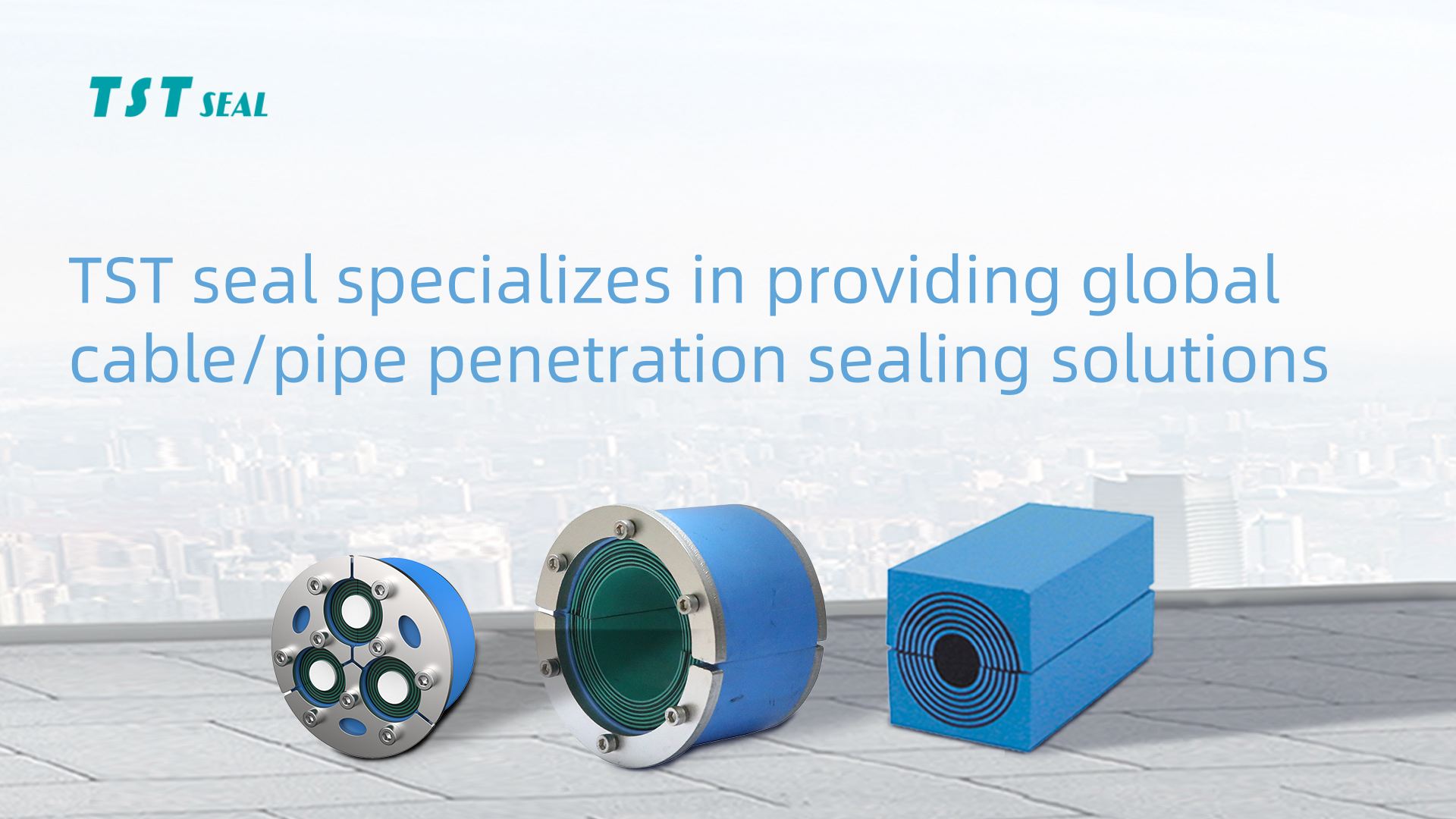
TST seal’s replaceable hot cell penetration assemblies offer a comprehensive alternative to traditional imported or legacy fixed-design solutions. They not only match the performance of imported counterparts but also surpass them in terms of safety redundancy, ease of maintenance, and total life-cycle cost—making them the preferred choice for next-generation nuclear hot cell projects.
- Technical Autonomy and Security: Ending Reliance on Imports with Performance that Matches—and Better Adapts to—Domestic Operating Conditions
The “Incompatibility” of Imported Equipment:
Although imported penetration assemblies may have a track record of use, they are often based on generic designs. These frequently suffer from mismatches with domestic civil engineering standards and operational practices, as well as insufficient functional redundancy. Furthermore, they are difficult to customize, leaving little room for optimization if they do not perfectly align with specific on-site operating conditions.
“Tailor-Made” Solutions from TST seal:
TST seal’s replaceable hot cell penetration assemblies are specifically developed for domestic nuclear projects, ensuring seamless integration with civil structures and acceptance standards. They meet all nuclear-grade requirements for shielding, sealing, and seismic resistance, with specialized optimizations for new construction, facility retrofitting, and scientific research applications.
Core Advantages:
Featuring a modular, replaceable design—incorporating a spiral shielding structure and dual-redundant sealing—these assemblies effectively address the common pain points of traditional equipment, such as large “blind spots,” susceptibility to aging, and difficult maintenance. They offer superior safety redundancy and a much higher degree of adaptability to specific operational environments.
- An Autonomous and Controllable Supply Chain: Predictable Lead Times, Responsive After-Sales Support, and Managed Risks
The Burden of Imports: Supply Chain Bottlenecks and Slow Response Times
The primary risk associated with imported equipment is not its performance, but rather its inherent uncertainty. Variables such as maritime customs clearance, fluctuations in production capacity, or shifts in the international landscape can all lead to project delays. Furthermore, a reliance on overseas support for after-sales service—characterized by lengthy troubleshooting processes and extended lead times for spare parts—struggles to meet the high-efficiency operation and maintenance (O&M) requirements of domestic nuclear engineering projects.
TST Seal: Fully Autonomous, Worry-Free Delivery
Leveraging two domestic production bases, TST Seal maintains complete control over the entire value chain—from R&D and manufacturing to sales and service—for its hot-cell replaceable penetrations:
✅ Reliable Delivery: Free from overseas constraints, ensuring on-time fulfillment of bulk orders.
✅ Rapid Response: On-site technical teams provide immediate, closed-loop troubleshooting and corrective action.
✅ Ample Spare Parts: Robust inventory ensures no long waits for maintenance or upgrades.
By eliminating the risk of supply-chain bottlenecks at the source, TST Seal provides a stable supply chain for both the construction and long-term operation of nuclear facilities.
- Lifecycle Cost Reduction: Savings in Both Initial Investment and Long-Term O&M
A Common Pitfall: Focusing Solely on Unit Price, Ignoring Lifecycle Costs
Imported equipment often carries a high initial purchase price, compounded by expensive spare parts, maintenance, and modification costs—resulting in consistently high total lifecycle costs.
TST Seal: A Single Investment for Long-Term Cost Savings
While matching nuclear-grade performance standards, TST Seal’s hot-cell replaceable penetrations feature optimized structural designs and manufacturing processes, significantly lowering procurement costs. The core value, however, lies in reducing the burden of long-term O&M:
✅ Civil Engineering Savings: No need to breach walls for installation or removal, eliminating downtime and the costs associated with radiation-shielding construction.
✅ Labor Savings: Replacements can be performed safely in “green zones” (low-radiation areas), reducing personnel requirements and the costs of occupational radiation protection.
✅ Reduced Hidden Costs: Utilizing aging-resistant materials extends maintenance intervals and lowers expenditure on spare parts.
This dual benefit—lower procurement costs and reduced O&M burdens—perfectly aligns with the operational requirements of nuclear facilities, which demand long lifecycles and minimal maintenance.
Domestic Substitution: A Critical Safety Requirement and a Long-Term Trend
The localization of nuclear-grade equipment is more than just a price-based alternative; it represents a comprehensive upgrade across safety standards, technical frameworks, supply chain security, and O&M philosophies. TST Seal’s replaceable hot-cell penetrations—built upon nuclear-grade standards, focused on addressing key engineering challenges, and backed by localized support—provide a safer, more stable, more controllable, and more cost-effective domestic solution for nuclear hot-cell projects in China.