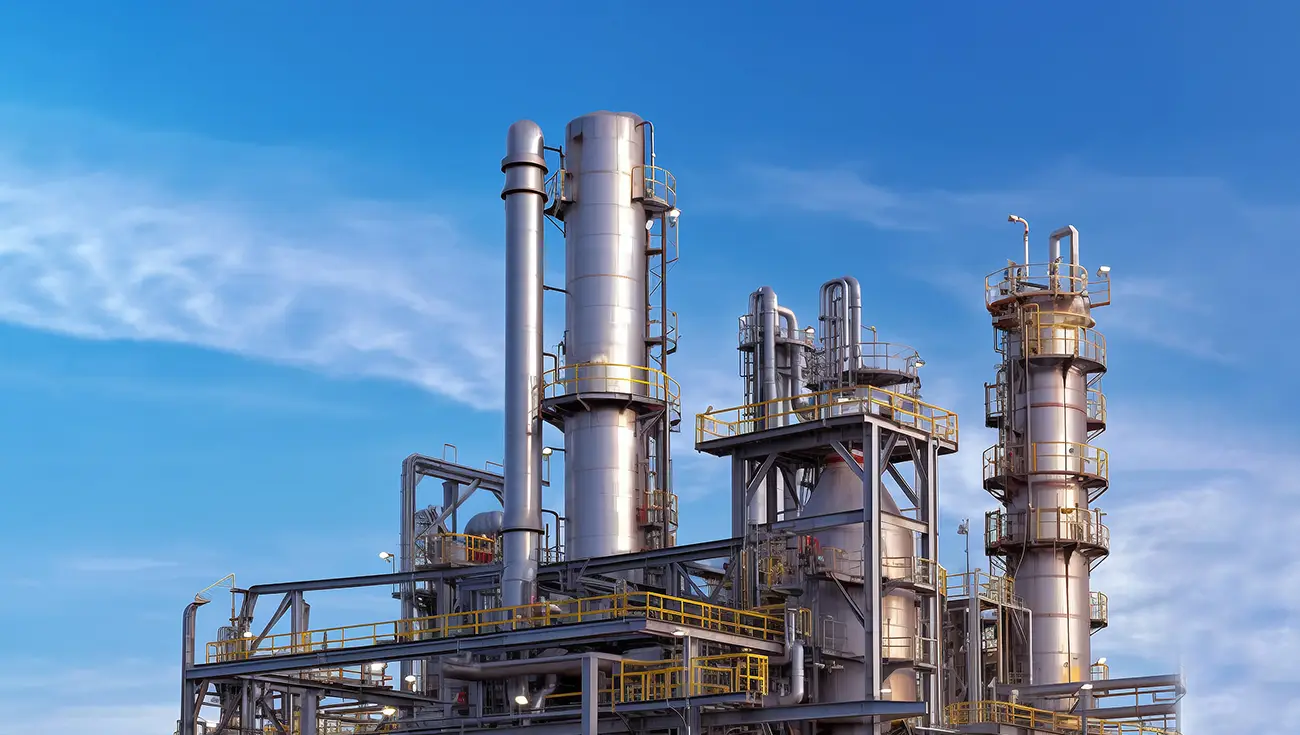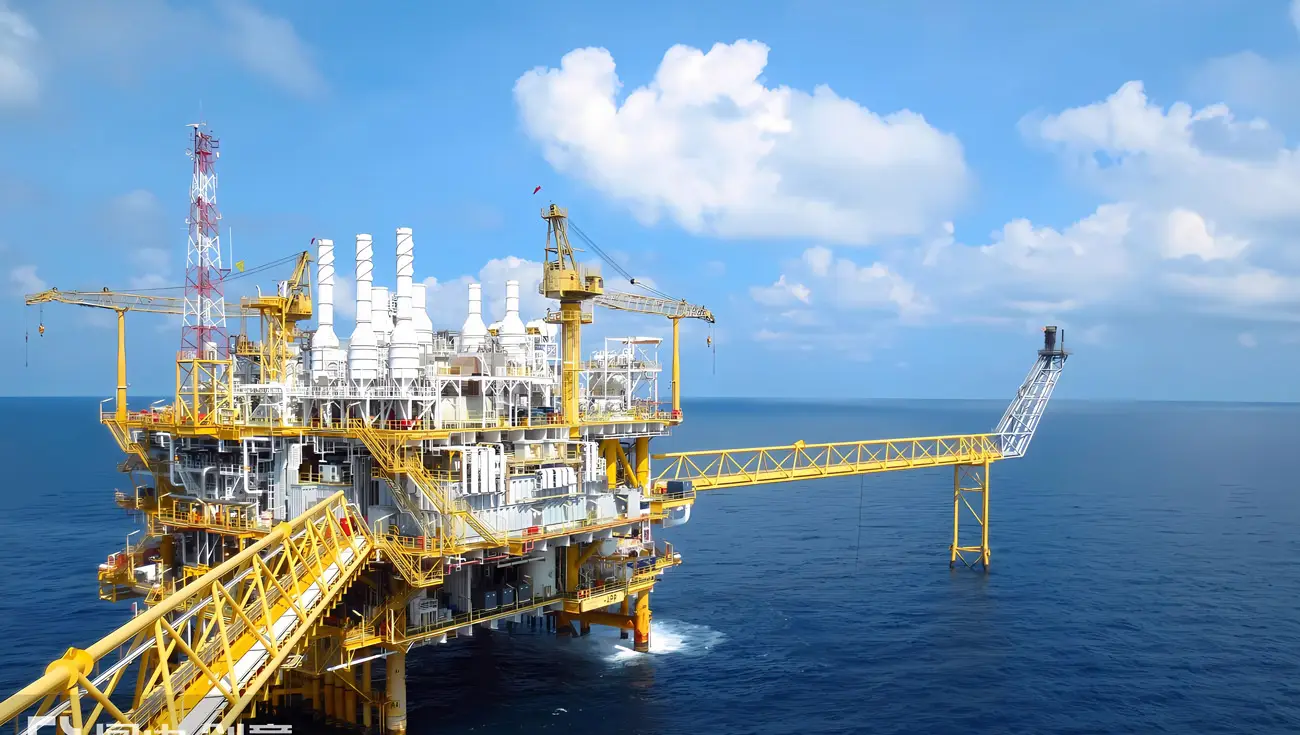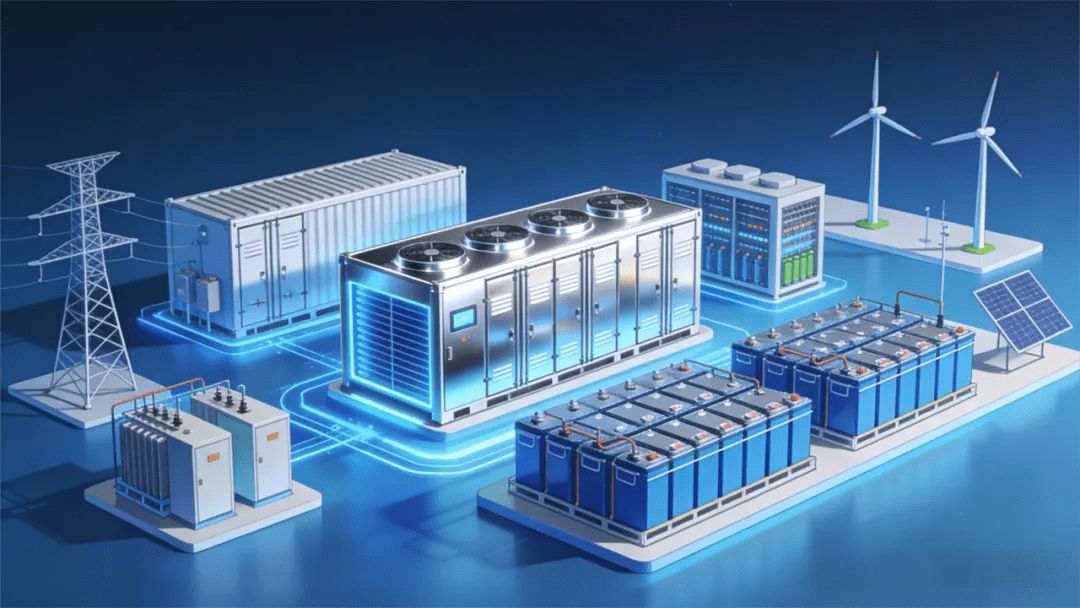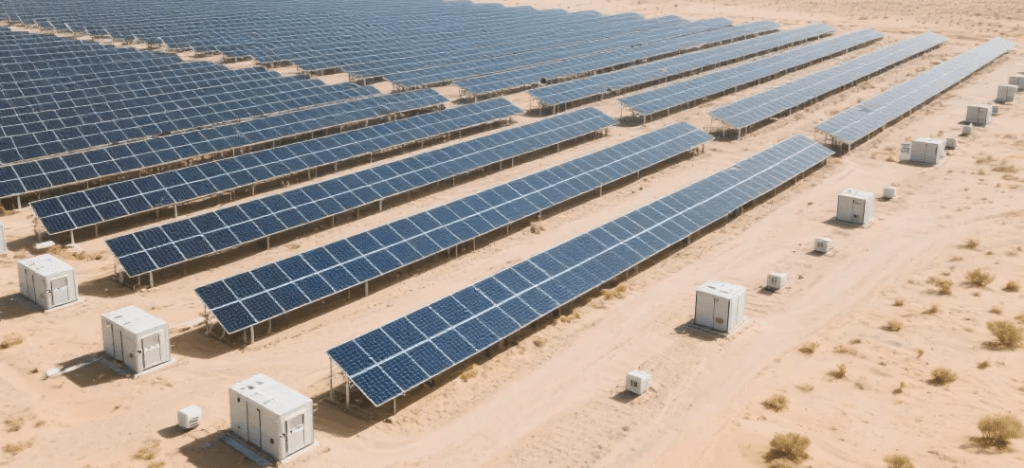
Photovoltaic power station energy storage areas are mostly located in complex outdoor environments. The sealing of cables and pipes is a key hidden danger affecting the safe operation of the power station. Sealing failure can easily lead to equipment failure and safety accidents. Inappropriate sealing design can also exacerbate safety risks and restrict the stable operation of the power station.
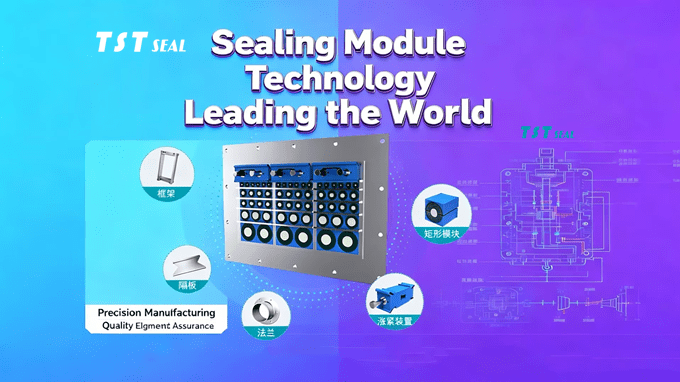
TST SEAL MCT through-hole sealing modules address the core challenges of sealing through-holes in photovoltaic power plants, providing precise and practical sealing solutions to fundamentally resolve sealing hazards and comprehensively improve the operational safety of photovoltaic power plants.
- Key Challenges in Ensuring the Sealing of Photovoltaic Power Plants
Photovoltaic power plant energy storage supporting areas (cabinets, cable trenches, power distribution rooms, etc.) are exposed to the outdoors for a long time. The cable and pipe penetration points are affected by environmental factors, wiring, capacity expansion and other factors, highlighting the core sealing pain point, which directly threatens the operational safety of the power plant.
Pain Point 1: In extreme outdoor environments, traditional seals are prone to aging and failure.
Photovoltaic power plants are mostly located in deserts, plateaus, and other areas where strong ultraviolet radiation, large diurnal temperature variations, and frequent sandstorms can cause traditional sealing materials (fireproof putty, ordinary rubber strips) to age rapidly, crack, and pulverize, resulting in a sharp decline in sealing performance. This, in turn, allows windblown sand and dew to seep into the enclosures and the busbars of the photovoltaic modules, leading to corrosion and short circuits in electrical components, causing equipment failures and creating safety hazards.
Pain Point 2: Multiple cable specifications are bundled together, resulting in messy wiring and poor sealing.
Energy storage facilities need to accommodate cables of various specifications. Traditional sealing methods cannot flexibly adapt to different sizes of cables, which may lead to messy wiring, inconvenient maintenance, and poor line contact. Alternatively, the sealing gap may be too large, making it impossible to achieve effective fire protection partitions. In the event of a fire, the fire may easily spread through the gap, expanding the scope of the safety accident and threatening the overall safety of the power station.
Pain Point 3: Power plant expansion and renovation involves complicated sealing construction and exacerbates potential risks.
As the installed capacity of photovoltaic power plants increases, energy storage systems need to be expanded accordingly. Traditional sealing structures are fixed designs, and the original sealing layer must be broken during expansion. This is not only cumbersome to construct, but also leads to power plant shutdown. Furthermore, gaps are likely to appear after breaking and resealing, further expanding the sealing hazards, exacerbating the safety risks of power plant operation, and increasing the burden of safety operation and maintenance in the later stages.
- TST SEAL MCT Module: Solving the Sealing Problem and Comprehensively Enhancing Power Plant Safety
Addressing the critical sealing challenges of cables and conduits penetrating into photovoltaic power plants, the TST SEAL MCT penetration sealing system, with its core high-performance design features of ‘modularity, peelability, and redundancy,’ provides a precise solution to completely eliminate sealing hazards and comprehensively safeguard the safe and stable operation of photovoltaic power plants.
Solution 1: Extreme weather-resistant design to prevent seal aging and failure.
Utilizing self-developed low-smoke halogen-free EPDM material, it possesses excellent resistance to ultraviolet rays, dust, and extreme temperature differences, adapting to various complex outdoor environments and preventing aging, cracking, and powdering of seals. With an overall protection rating of IP68, it completely blocks the intrusion of wind, sand, and dew, effectively solving the problem of sealing gaps at busbar and pipe penetration points, eliminating the risk of corrosion and short circuits in electrical components, and reducing safety risks from the source.
Solution 2: Flexible adaptation to multiple cable specifications, orderly wiring + fireproof sealing
Equipped with strippable reducing technology, it can flexibly adapt to cables and pipes of different specifications. A single module can accommodate dozens of cables, enabling layered and orderly cable routing, reducing the risk of poor line contact, and improving maintenance safety. At the same time, it has a high level of fire resistance, which can effectively block the spread of fire and smoke, realize fire-resistant partitioning, avoid the risk of fire expansion, and build a solid defense for the safe operation of the power plant.
Solution 3: Redundant modular design ensures safe expansion and enhanced construction.
Employing a redundant modular design, when expanding the energy storage capacity of a power station, there is no need to dismantle the original sealed structure; upgrades can be completed simply by adding new modules, completely avoiding the safety hazards caused by downtime and dismantling. Module installation is convenient, requiring no professional personnel; simple tools can be used to quickly complete the construction, reducing safety risks during construction and adapting to the trend of “less-staffed” operation of photovoltaic power stations, thus reducing safety operation and maintenance costs.
The safe operation of photovoltaic power plants depends on reliable sealing of cable and pipe penetration points. The TST SEAL MCT penetration sealing system precisely addresses the three core sealing challenges of photovoltaic power plants: extreme environments, cable and pipe penetrations, and capacity expansion and renovation. It eliminates sealing hazards at the source and ensures the long-term stable, safe, and efficient operation of the power plant.