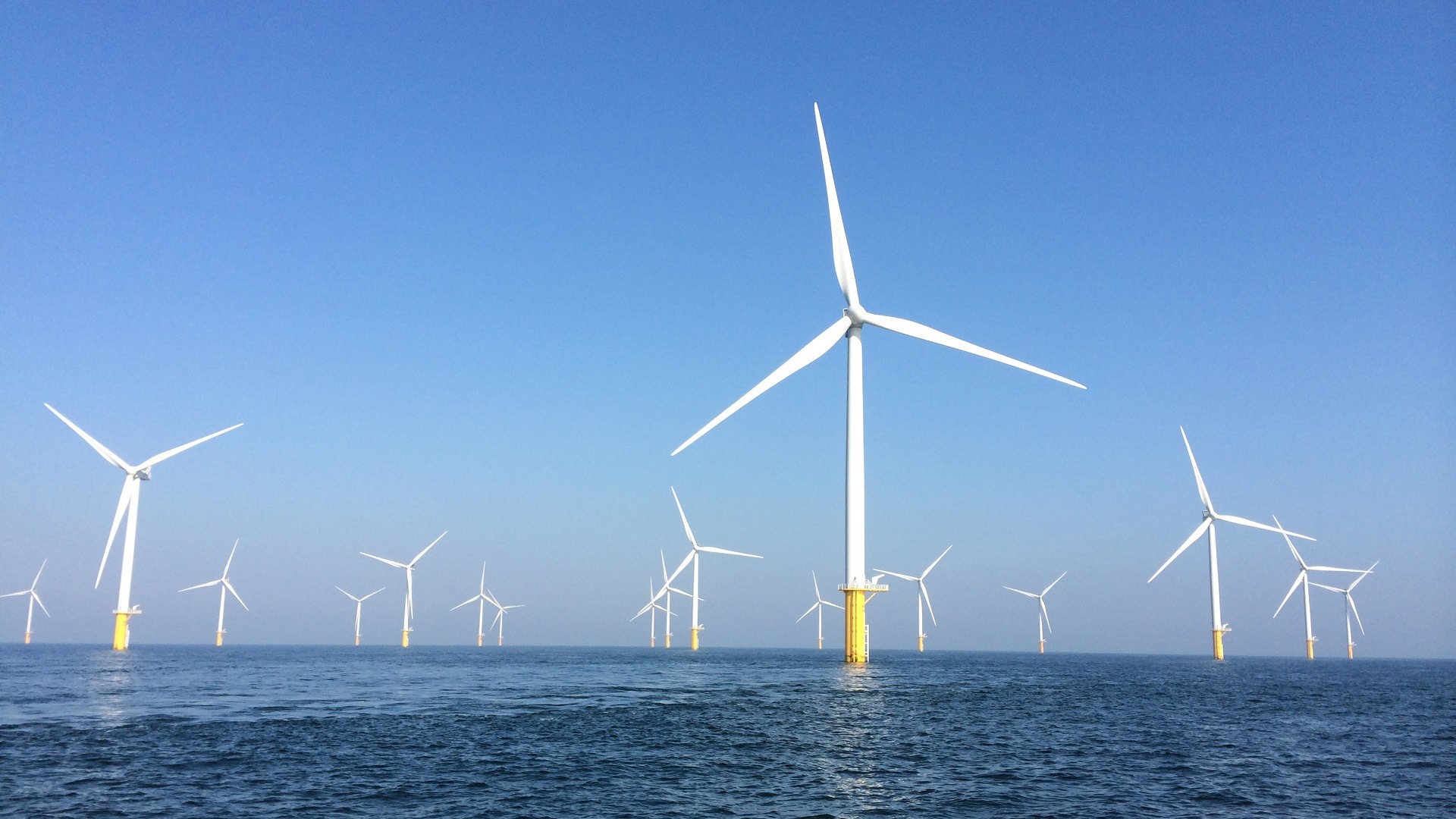

In the previous article, TST Seal Nico introduced the applications of offshore wind turbine sealing modules. Next, we will analyze and discuss in more depth the complex problems and failures encountered by offshore wind turbine sealing modules during long-term operation in extreme marine environments. Sealing module failure not only affects equipment reliability but may also lead to major safety accidents or high maintenance costs. Based on industry practice and existing technical data, TST SEAL sealing module engineers have summarized the common causes of failure in offshore wind turbine sealing modules into the following five categories:
- Material Aging and Environmental Corrosion
Salt Spray Corrosion
High-salt marine environments cause ion penetration, swelling, or surface cracking in rubber/elastomer materials.
Metal components (such as stainless steel glands and fasteners) are prone to pitting corrosion or stress corrosion cracking if the materials are not properly selected (e.g., 304 vs 316).
Ultraviolet (UV) Aging
Long-term exposure to strong ultraviolet radiation damages the cross-linked structure of rubber materials such as EPDM and NBR, causing them to harden, crack, and lose their elastic sealing ability.
- Humid Heat Aging and Ozone Erosion
High temperature and humidity accelerate rubber oxidation; ozone attacks unsaturated bonds (such as in NBR), causing surface “ozone cracking,” especially severe in dynamic sealing areas.
- Marine Organism Attachment and Biocorrosion
Shellfish, barnacles, algae, etc., attach to the surface of the sealing module, causing:
Uneven pressure on the sealing surface, leading to localized leakage;
Organic acids produced after the organisms die, corroding the sealing material or metal shell;
Blockage of drainage holes or vent valves, leading to internal condensation or pressure imbalance.
Case Study: A cable penetration seal at a wind farm in Beihai experienced water leakage within three years due to barnacle attachment, resulting in a short circuit in the control cabinet.
III. Dynamic Loads and Mechanical Fatigue
Platform Vibration and Displacement
Wind, waves, and the start-up and shutdown of wind turbines cause continuous vibration of the tower and nacelle, subjecting the sealing module to repeated shear and compressive stresses.
If the sealing structure is too rigid or lacks buffering design, fretting wear or fatigue cracks are likely to occur.
Thermal Expansion and Contraction Stress
Date-night or seasonal temperature differences cause a mismatch in the expansion coefficients of cables, pipes, and sealing modules, resulting in changes in sealing gaps or even “loosening.”
Insufficient Installation Preload or Interference Failure
Inappropriate initial compression design, or preload decay after long-term creep, leads to poor sealing interface adhesion.
- Improper Design and Selection of Wind Turbine Equipment Sealing Modules
Material Incompatibility with Media
For example, misusing EPDM (poor oil resistance) in oil-containing hydraulic systems leads to swelling failure; using ordinary FKM (embrittlement temperature -20℃) in low-temperature sea areas (such as the North Sea) makes it prone to brittle fracture in winter.
Mismatched Sealing Structure and Operating Conditions
Using static seals in dynamic parts (such as rotating shafts) causes frictional heat and ablation; the lack of a backup ring causes O-rings to be “extruded” and damaged under high pressure.
Insufficient Protection Rating
Electrical cabinet seals only reach IP54, which cannot withstand seawater splash during typhoons, leading to internal water ingress.
- Wind Turbine Equipment Sealing Module Installation and Maintenance Issues
Installation Damage
Scratching the sealing lip with metal tools; Cables not beveled during insertion, cutting the inner diameter of the seal.
Insufficient Cleanliness
Weld slag, sand, and other impurities were not removed before installation, embedding in the sealing interface and creating leakage channels.
Lack of Regular Inspection and Replacement
Seals exceeding their service life (e.g., rubber lifespan 8-10 years, but not replaced as scheduled); Ignoring online leak monitoring signals, delaying response.
Summary of Typical Failure Manifestations of Wind Turbine Equipment Sealing Modules
Wind and electric equipment sealed imitation failure effect, | possible cause |
Surface cracks, powdering, | UV aging, odor invasion, high temperature |
Melted, changed shape, | Service quality is not compatible (as NBR service) |
Local leakage, dripping, | Installation damage, sealing surface roughness, lack of strength |
sealed, cracked, | High-quality territory, huge gap |
Electrochemical corrosion traces | Different types of metal contact + environment |
TST SEAL Prevention Recommendations
Materials Selection: Choose weather-resistant EPDM, FKM, FFKM, or silicone, with perfluoroelastomer (FFKM) considered for critical components.
Structural Optimization: Employ modular, retaining ring, and multi-lip design; seal grooves conform to ISO 3601 or GB/T 3452 standards.
Installation Guidelines: Use specialized tools, lubricant, and chamfering to ensure cleanliness.
Condition Monitoring: Deploy humidity sensors, infrared thermal imaging, or acoustic emission to detect early leaks.
Regular Maintenance: Establish a mandatory replacement mechanism based on life curves, especially for unseen seal points.
If your wind turbine requires in-depth analysis of the failure causes of a specific component (such as the main shaft seal, submarine cable termination, or pitch system), please contact us via email for further consultation or to request free samples.