
TST Seal :
- Fireproof
- Cable fixinAg
- Watertight
- Airtight
- Dustproof
- Noise reduction
- Vibration reduction
- Pressure resistance
- Corrosion resistance
- EMI/EMP
- Pest & rodent resistance
Related Articles
- circular seal (7)
- flange sealing (1)
- industrial sealing (2)
- IP68 sealed model (1)
- MCT Transit Sealing System (17)
- rectangular seal (43)
- sealing modules (59)
- sealing solution (22)
- Tensioning Block (1)
Rail Transit Safety Guardian: How Does Modular Sealing Technology Protect Urban Arteries?
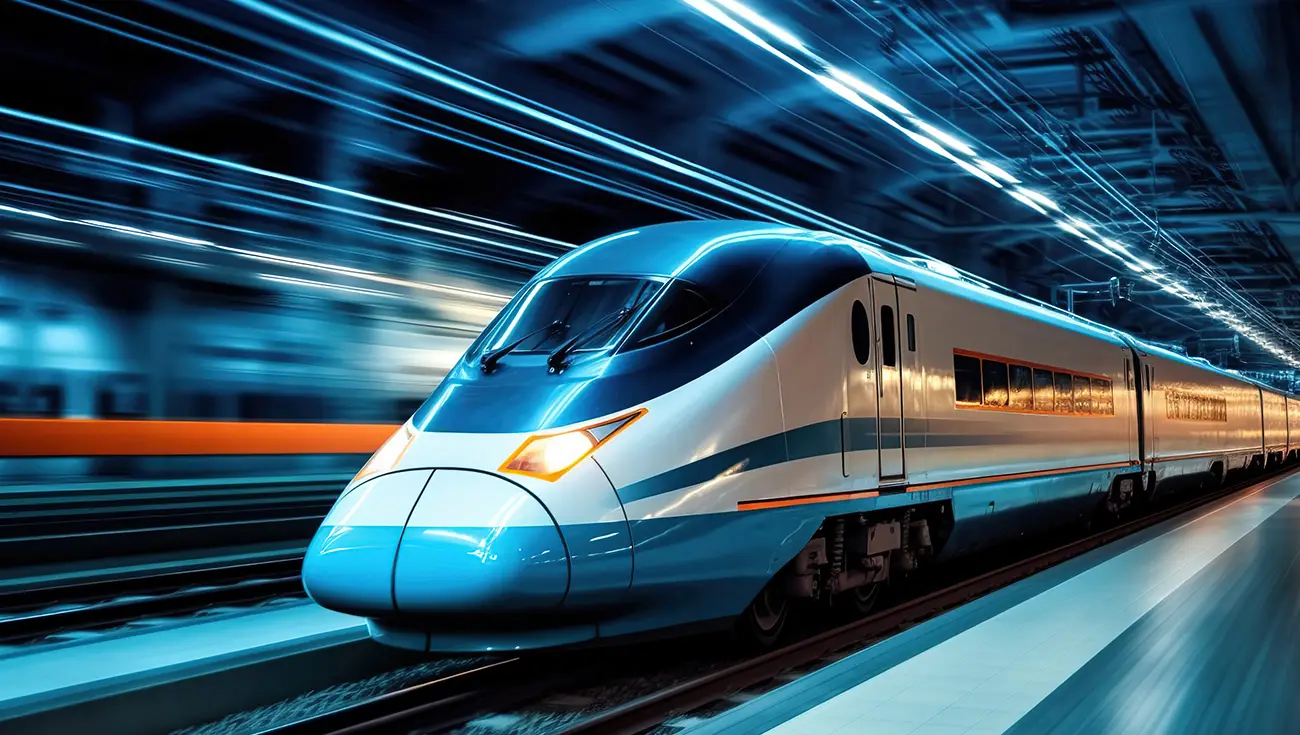
Behind the awe-inspiring scenes of subways roaring past and high-speed trains traversing mountains and seas, a sophisticated safety protection system operates silently. Among them, TST SEAL modular sealing technology, as the “invisible guardian” of the rail transit field, is redefining industry safety standards with its innovative design. From the Shenzhen-Zhongshan Bridge to the Shenzhen Metro, how does this technology solve the sealing challenges under complex operating conditions? What is its future direction?
- Why Does Rail Transit Urgently Need TST SEAL Modular Sealing?
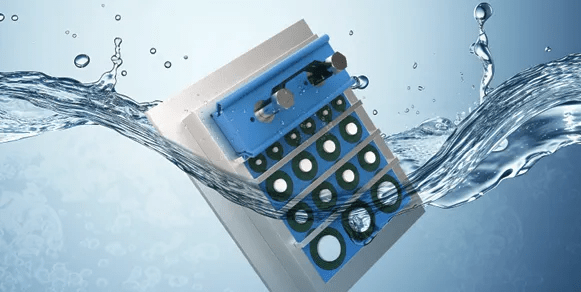
Rail transit systems constantly face harsh environments such as high temperature, high humidity, salt spray corrosion, and vibration impact. Sealing failure at cable and pipe penetration points can trigger a chain reaction of crises, including fire spread, signal interference, and equipment short circuits. Traditional sealing materials (such as fireproof putty and sealant) generally suffer from short lifespan, difficult maintenance, and difficulty in simultaneously achieving multiple performance goals. Modular sealing systems, through standardized components and flexible adaptable design, achieve an integrated solution for multiple protections, including water tightness, air tightness, fire resistance, explosion protection, and electromagnetic shielding.
Taking the Shenzhen-Zhongshan Bridge as an example, this world-class cross-sea project comprehensively applies the TST SEAL modular sealing system to key components such as bridge box girder pipe openings, power distribution rooms, and fan rooms. Its special structure can withstand floodwater and sand erosion, rodent bites, and maintains zero defects in sealing even during typhoon season, providing a solid guarantee for the project’s opening to traffic.
- Technological Breakthrough: From “Passive Defense” to “Active Intelligence”
Current mainstream modular sealing systems have formed three core advantages:
Environmental Adaptability: Utilizing low-smoke halogen-free EPDM rubber, the temperature resistance range reaches -40℃ to 80℃, and its salt spray corrosion resistance is more than 3 times better than traditional materials.
Dynamic Compatibility: The wedge-shaped self-locking structure can adapt to cables of different diameters, supports live installation, and significantly reduces downtime losses in scenarios requiring continuous operation, such as subways.
Intelligent Upgrade: Some new modules integrate temperature and humidity sensors, enabling real-time monitoring and early warning of sealing status through an IoT platform.
The practice of Shenzhen Metro Line 14 has confirmed these characteristics. Facing the high-salt-fog environment of the coastal region, the modular system used in its tunnel engineering not only blocks corrosive media but also ensures the stability of communication signals through electromagnetic shielding design, enabling millisecond-level precise train control.
III. TST SEAL Industry Benchmark Case: From Laboratory to Full Industry Chain Implementation
CRRC: As a global giant in rail transit equipment, CRRC employs modular sealing solutions in many of its high-speed rail and metro models. Its core components are certified to EN 45545-1 (European railway fire protection standard), maintaining structural integrity for over 30 minutes in a fire scenario.
Nanjing Metro: At a transfer hub station, the modular system was applied to cable trenches and ventilation duct penetrations. Third-party testing showed its airtightness reached IP68 level, effectively preventing short-circuit accidents caused by small animals.
Guiyang Metro: Addressing the complex geological conditions of mountainous cities, customized sealing modules successfully mitigated the risk of structural loosening caused by frequent vibrations, reducing maintenance costs by 40% compared to traditional solutions.
- Future Trends: Intelligentization and Sustainability in Parallel
With the accelerated implementation of the intelligentization, greening, and modularization directions outlined in the “2025-2031 China Rail Transit Equipment Industry Report,” sealing technology is undergoing two major transformations:
Popularization of Intelligent Sensing: It is projected that by 2026, “smart sealing modules” with data acquisition capabilities will cover more than 30% of newly built rail transit projects. AI algorithms will predict the aging trend of the sealing layer, achieving a leap from “regular maintenance” to “on-demand maintenance.”
Driving Material Innovation: The research and development of new technologies such as bio-based biodegradable sealing materials and self-healing polymer coatings will drive the industry towards carbon neutrality.
As urban rail networks continue to expand, sealing technology has long transcended the level of “leak plugging,” becoming the cornerstone of safe operation. From the rise of domestic brands like TST SEAL to the large-scale application by leading companies such as CRRC and Shenzhen Metro, modular sealing systems are writing a new chapter in “Made in China 2025.” In the future, with the deep integration of smart IoT and green materials, this “invisible technology” may redefine the safety boundaries of rail transit—after all, at a speed of 350 kilometers per hour, every detail of the sealed module system is a guardian of life.
Free Sample | Customization Supported | Global Sales | Factory Direct Sales | Agents Welcome (Email:alixich@tstcables.com)