

Purchasing cable sealing modules may seem simple, but it’s fraught with hidden technical pitfalls—choosing the wrong one can lead to leaks, fires, or even system failures. Especially in high-demand applications such as shipbuilding, marine engineering, hydropower, wind power, nuclear power, rail transportation, oil and petrochemicals, and new energy, sealing modules are not just “good enough,” but “absolutely foolproof.” The following eight key considerations summarized by TST SEAL engineers will help you avoid pitfalls, make accurate selections, and save time and effort:
- Define the Usage Environment: First, ask “Where will it be used?” The requirements for sealing modules vary drastically depending on the application:
Marine/Coastal: Must be salt spray resistant (C5-M grade) and UV resistant, preferably with a 316L stainless steel frame and EPDM rubber;
High-Temperature Areas (e.g., engine room): Rubber must withstand temperatures above 150℃ to prevent silicone from swelling in oil;
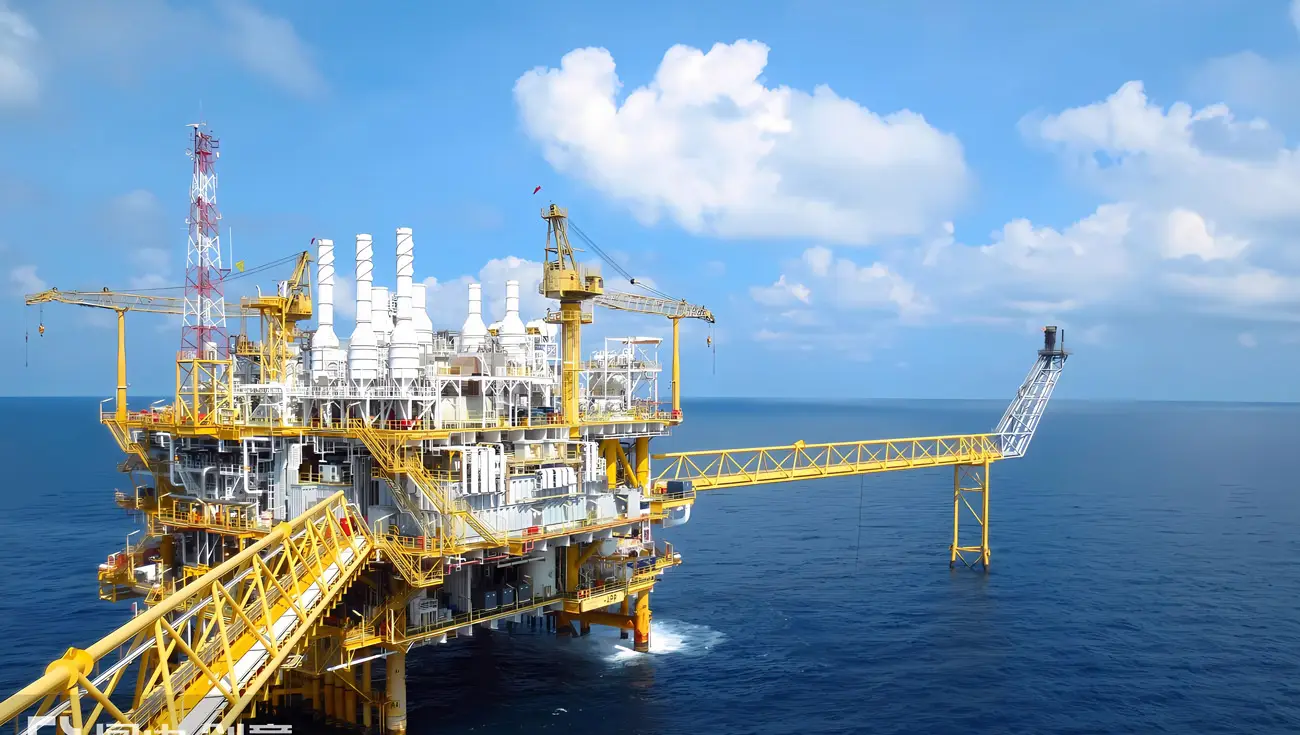
Explosion-Proof Areas (e.g., oil and gas platforms): Requires ATEX/IECEx certification and Ex d or Ex e protection;
Cleanrooms/Medical: Materials must be halogen-free, low-emission, and compliant with RoHS, REACH, and even FDA standards.
✅ Action Recommendation: Provide specific operating parameters (temperature, humidity, medium, vibration level), rather than simply stating “used on a ship.”
- Matching Cable Specifications: Inaccurate dimensions = seal failure.
Outer Diameter Tolerance: Actual cable outer diameter often has a ±1mm deviation; the module aperture should cover this range;
Multiple Cable Spacing: The total cross-sectional area should not exceed 70% of the module’s effective sealing area to avoid overfilling and insufficient compression;
Armored Cables: Requires a dedicated module with armored slots to prevent steel wires from puncturing the rubber. ✅ Action Recommendations: Provide cable type, quantity, and outer diameter (measured value), preferably with photos or samples.
- Protection Rating Must Meet Standards: IP and fire resistance are both essential.
Watertight/Airtight: At least IP66 (resistant to strong water jets), IP68 recommended for underwater or below deck;
Fire Resistance Rating: A-60 (2-hour fire resistance) required for Class A machinery on ships, refer to IMO FTP Code;
Smoke Toxicity Requirements: Low-smoke halogen-free (LSOH) requirements for densely populated areas (such as passenger ships, subways), complying with IEC 60754.
⚠️ Beware of products that “claim fire resistance but lack third-party certification”!
- Material Compatibility: Rubber ≠ All-rounder
EPDM: Water-resistant and ozone-resistant, but not resistant to mineral oil and fuel oil—use with caution in engine compartments;
Silicone: Soft and resistant to high and low temperatures, but low mechanical strength and easily scratched by sharp objects;
Fluororubber (FKM): Oil-resistant and high-temperature resistant (200℃), but expensive and has poor low-temperature performance;
Metal Frame: 304 stainless steel is prone to pitting corrosion in marine environments; 316L is preferred.
✅ Action Recommendation: Inform the supplier of the media to be exposed (seawater, lubricating oil, chemicals, etc.) and have them conduct a material compatibility assessment.
- Complete Certifications: No Classification Society/International Certification = Project Failure
High-end projects typically require one or a combination of the following certifications:
Classification Societies: DNV, BV, ABS, LR, RS, CCS (China Classification Society);
Fire Protection Standards: EN 1366-3, IMO FTP Code, GB/T 9978;
Environmental Regulations: RoHS, REACH, Halogen-Free;
Explosion-proof Certifications: ATEX, IECEx.
✅ Action Recommendation: Confirm the certification requirements in the project’s technical specifications with the sealing module manufacturer in advance.
- Installation and Maintenance Ease: Savings are Real Money
Does the sealing module manufacturer support future expansion? Peelable modules vs. fixed-hole modules;
Are special tools required? Quick-install design can save 50% on labor;
Is it maintenance-free? High-quality modules have a lifespan of 25–30 years, avoiding frequent replacements.
💡 Case Study: A wind power project was forced to shut down for 7 days and incurred losses exceeding €300,000 when adding sensors due to the use of non-scalable modules.
- Assessing the Technical Capabilities of Sealing Module Manufacturers/Suppliers: Don’t Just Look at the Price!
Can the sealing module manufacturer provide 3D modeling adaptation services?
Are there any successful case studies of similar projects (e.g., LNG ships, hydroelectric power stations, rail transit, nuclear power plants, warships, data centers)?
Can they provide test reports (salt spray, fire resistance, water pressure)?
✅ Beware of Low-Price Traps: Inferior rubber hardens and cracks within one year, with rework costs far exceeding the initial price difference.
- Life Cycle Cost (LCC) Mindset
Don’t just compare the unit price of sealing module manufacturers! Total Cost Breakdown:
Project | Low-priced sealing module products | TST SEAL High-Quality Sealing Module |
Initial Procurement | €1,000 | €1,800 |
Lifespan | 3 years | 25 Years |
Maintenance Frequency | 8 times | 0 Times |
Downtime Risk | High | Extremely Low |
Total Cost | €5,000+ | €1,800 |
Sealing Modules: Safety is Paramount
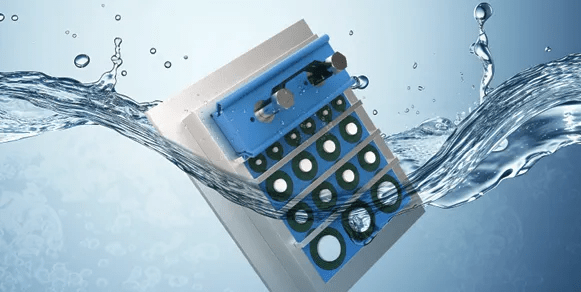
Buying TST SEAL cable sealing modules is not buying “a piece of rubber,” but a system safety guarantee. Spending 10 minutes confirming operating conditions, verifying certifications, and checking materials could save you tens of thousands of euros in accident costs.
Remember: When it comes to cable sealing, the most expensive thing isn’t a good product, but “compromise.” Choosing a professional, reliable, and fully certified solution is the true way for businesses to reduce costs and increase efficiency.