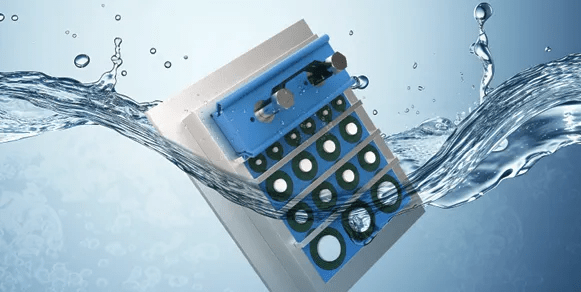

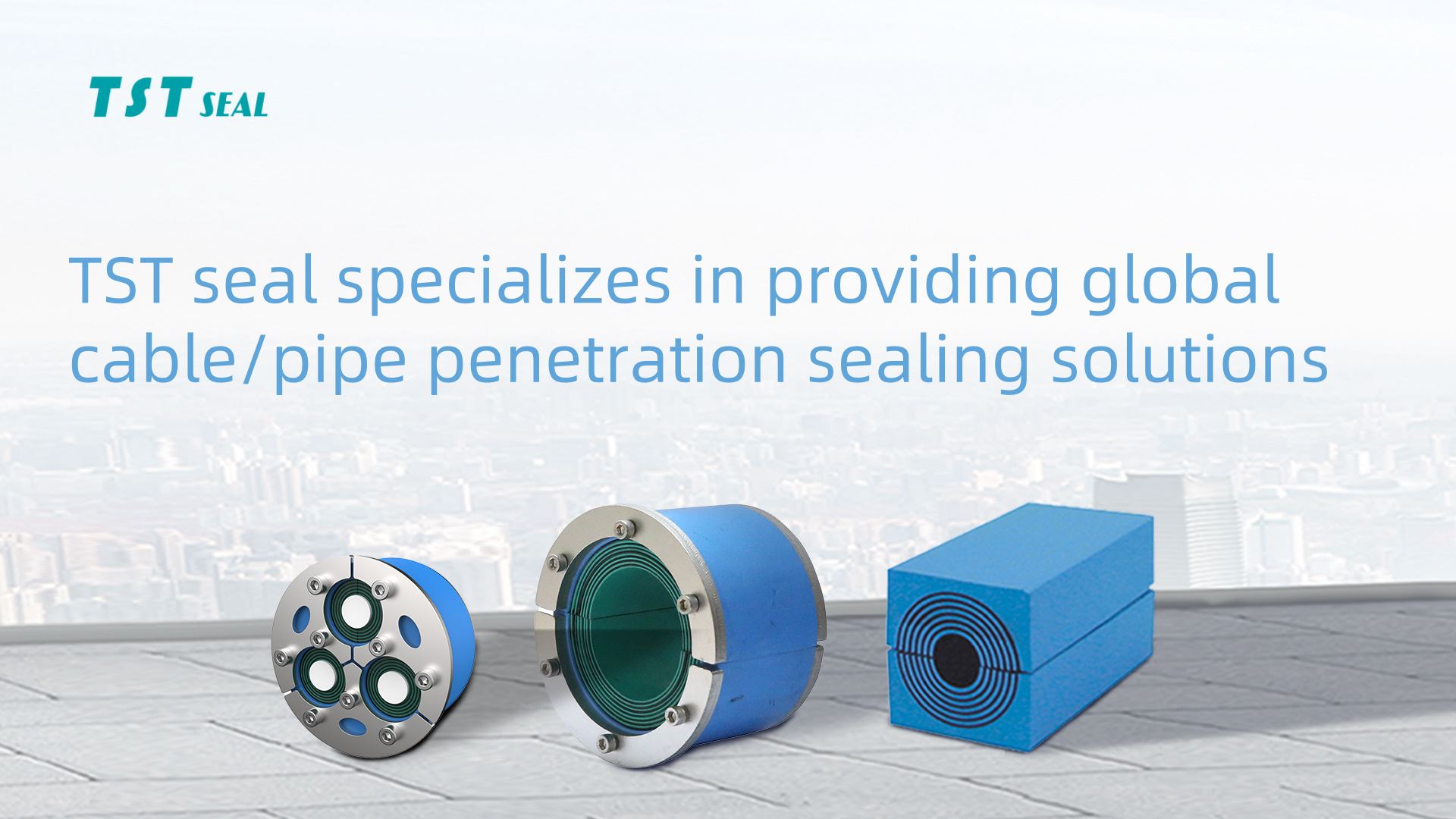
Underwater robots (ROVs/AUVs/underwater dredging robots, etc.) have extremely high requirements for the reliability of their sealing systems—water ingress can lead to equipment downtime, or even complete damage and mission failure. As a core protective component, the IP68 sealing module must maintain its functionality under multiple challenges, including high pressure, corrosion, dynamic movement, and prolonged immersion. The following is TST Seal’s systematic application solution for IP68 sealing modules in underwater robots, covering design principles, key components, material selection, structural implementation, and industry practices.
- Typical Operating Conditions and Sealing Challenges of TST Seal Underwater Robot Sealing Module
parameter | Typical range | Sealing requirements |
Working depth | 10m (shallow water) ~ 300m+ (deep sea) | The seal must withstand a hydrostatic pressure of 0.1~3MPa. |
medium | Seawater (high salinity), freshwater, and sewage (containing H₂S) | The material is corrosion resistant and resistant to bioattachment. |
temperature | -2°C (deep sea) ~ +40°C (tropical) | Low-temperature elasticity + high-temperature aging stability |
motion state | Static hovering / High-speed propulsion / Robotic arm operation | Dynamic sealing resists vibration and fretting wear. |
Task duration | Hours to weeks | Long-term compression set ≤25% |
The consequences of failure are severe: failure of a single point seal can lead to a short circuit in the entire machine’s electrical control system.
- Key Application Areas of IP68 Sealing Modules
- Power and propulsion system cable inlet
Location: Where the cables of the propulsion motor, servo motor, and hydraulic pump pass through the casing.
Require:
IP68+ oil resistant (if hydraulic oil is used);
Tolerates motor start-stop vibration (5–500 Hz).
plan:
Double O-ring labyrinth seal (main seal + redundant seal);
The cable adopts an armored + waterproof filling structure.
- Main control cabin penetration component (most critical)
Location: Cable/harness exit of the main electronics compartment (including CPU, power supply, and communication modules).
Require:
Absolutely airtight (often verified with helium leak detection);
Supports multiple hybrid cables (power + signal + fiber optic).
plan:
Modular IP68 sealing systems (such as Roxtec Subsea, TST MCT-Sub);
The frame is welded to the hull, and the sealing core can be hot-swapped and replaced.
- Sensor and camera interface
Location: Cable entry point for depth gauges, sonar, and high-definition cameras.
Special requirements:
Miniaturization (space-constrained);
The fiber optic cable should be inserted with low-stress clamping (to prevent signal attenuation).
plan:
Miniature IP68 glamour (such as the Binder 719 series);
Alternatively, a custom-made one-piece injection-molded sealing joint can be used.
- Robotic arm and tool end effector
Challenge: Frequent bending and twisting movements.
plan:
Rotary shaft IP68 seal (lip seal + spring loading);
It uses fluororubber (FKM) or polytetrafluoroethylene (PTFE) composite materials.
III. Key Technologies for TST Seal IP68 Sealing Module
✅ 1. Material Selection
part | Recommended materials | reason |
Main sealing body | High-purity EPDM or silicone rubber (VMQ) | EPDM is seawater resistant and cost-effective; VMQ is resistant to a wide temperature range (-60~200°C). |
High pressure/deep sea | Perfluoroelastomer (FFKM) | It can withstand pressure of 3MPa+, but it is expensive. |
Metal frame | 316L stainless steel or titanium alloy (deep sea) | Anti-pitting corrosion titanium alloy for use in deep seas >100m |
grease | Perfluoropolyether (PFPE) | Insoluble in water, stable at high temperatures |
📌 NBR is prohibited: It is easily hydrolyzed and aged in seawater.
✅ 2. Structural Design
Multi-level sealing: at least two independent sealing barriers (primary + backup);
Pressure balance: The deep-sea robot uses an oil compensation chamber to avoid the pressure difference between the inside and outside causing the seal to be squeezed;
Cable handling:
Outer diameter tolerance controlled at ±0.1mm;
Clean before insertion + use special lubricant (water-based);
A stress-relief bend is provided to avoid direct stress.
✅ 3. Installation and Verification
Torque control: Tighten bolts diagonally according to manufacturer’s specifications;
Leakage testing:
Pressure test: No leakage after holding at 0.3 MPa for 30 minutes;
Water pressure test: Immerse for 24 hours at 1.5 times the working pressure;
Helium mass spectrometry leak detection (high-end applications): Leakage rate ≤1×10⁻⁶ Pa·m³/s.
- TST seal underwater robot sealing module industry solution examples
▶ Case 1: Underwater dredging robot (e.g., “Xinyuxin”)
Depth: 0–10m (leachate tank);
Sealing solution:
Main control compartment: IP68 modular seal (EPDM+316L);
Camera: Miniature IP68 quick-connect connector;
It remains sealed even after being flushed under high pressure at 8MPa and cleaned with citric acid at 60℃.
▶ Case 2: Deep-sea exploration ROV (300m class)
Sealing solution:
Through-body design: titanium alloy frame + FFKM seal;
Propeller shaft seal: Double protection with mechanical seal + lip seal;
The pressure cycle test was conducted at 10 MPa (simulated at a water depth of 100 m).
- TST seal underwater robot sealing module selection and procurement recommendations
elements | TST seal underwater robot sealing module recommendation |
Certification | An IP68 test report (specifying depth/time) is required; deep-sea projects require DNV GL or ABS certification. |
Maintainability | Modular designs with replaceable sealing cores should be prioritized. |
compatibility | Confirm the risk of galvanic corrosion from robot housing materials (aluminum alloy/engineering plastics) |
supplier | International: Roxtec; Domestic: Taist |
- Future Trends
Intelligent sealing: Integrated pressure/humidity sensor, reporting sealing status in real time;
Self-healing material: Microencapsulation technology allows for automatic healing after scratches;
3D printing customization: rapidly manufacture irregularly shaped seals to fit complex cable layouts.
IP68 sealing for underwater robots = Redundant design × Material matching × Strict process control
The Golden Rule:
“Better to have an extra seal than to skip a test” – underwater, nothing is insignificant, and sealing is the lifeline.
If you require the “Underwater Robot IP68 Sealing Module Selection Calculation Table” (including cable outer diameter-module matching, pressure-material recommendations) or a detailed comparison of solutions for a specific depth level (such as “50m vs 300m”), please feel free to email me for further discussion.