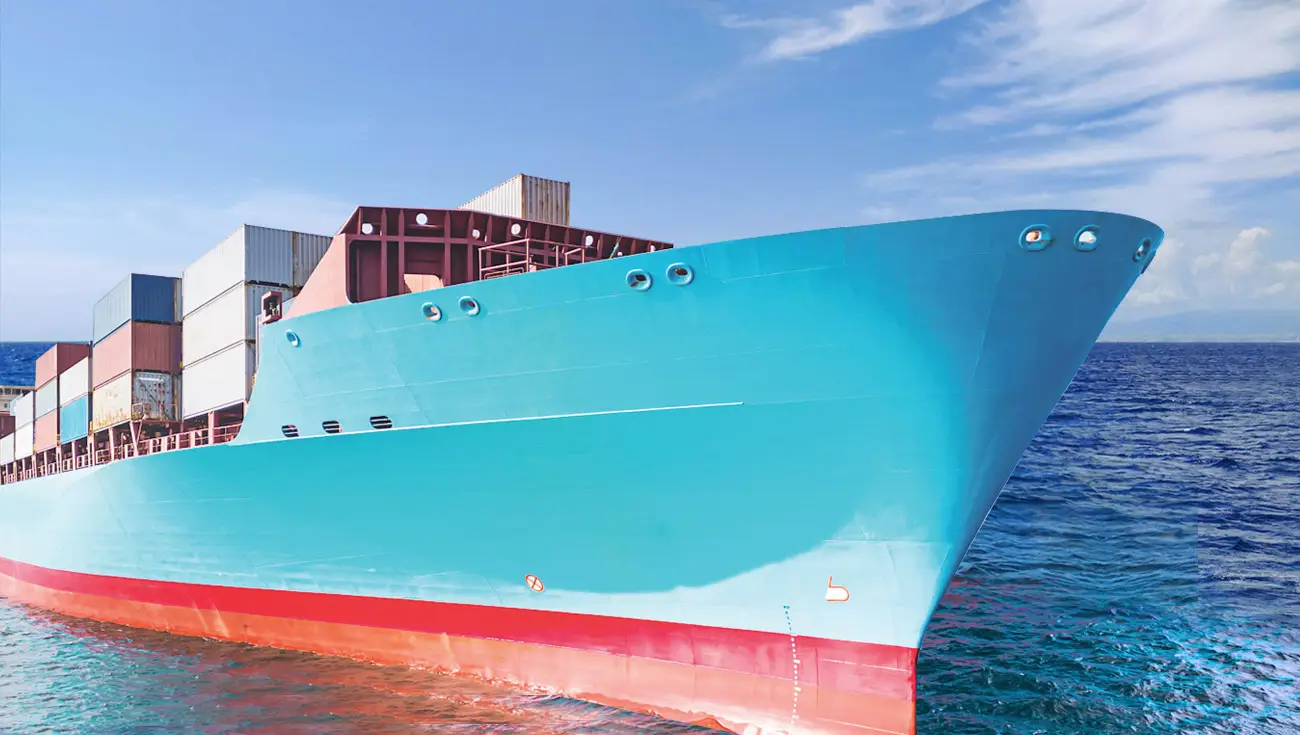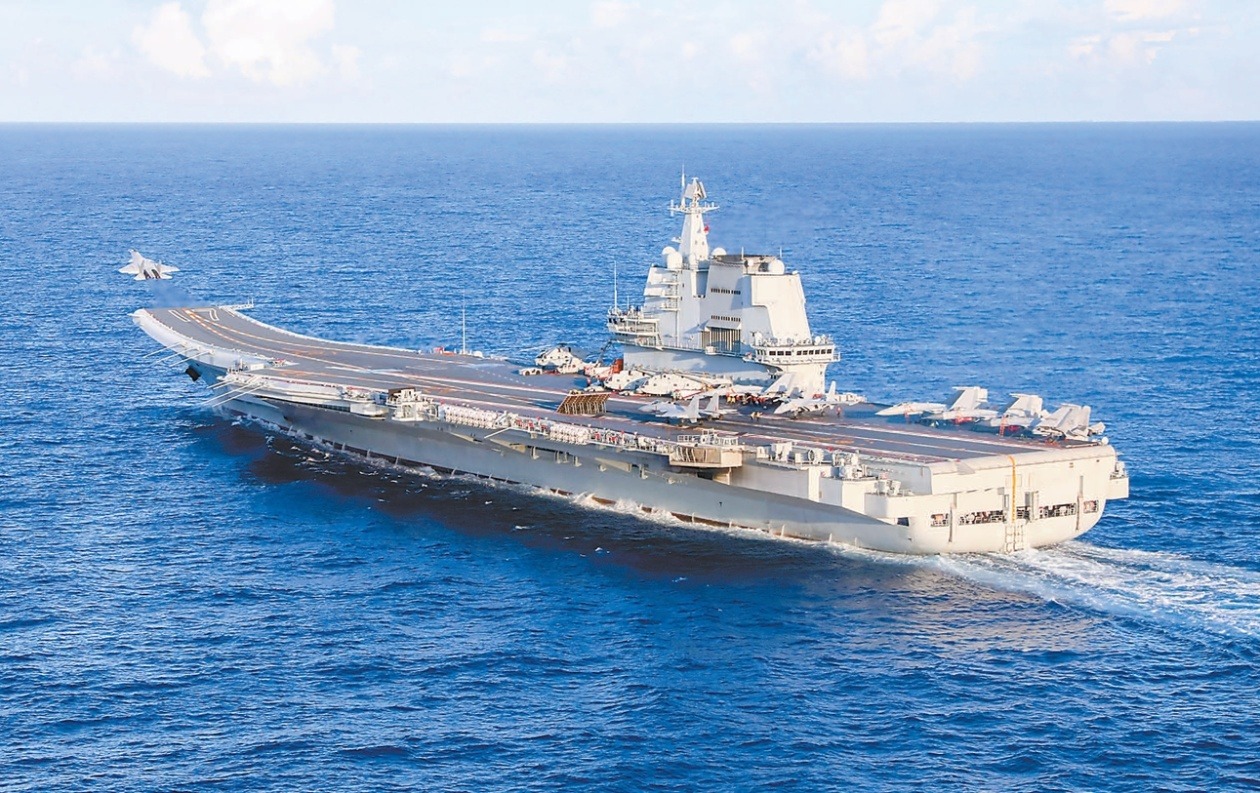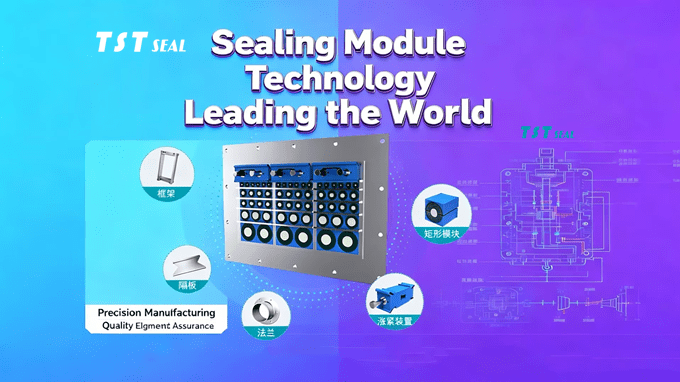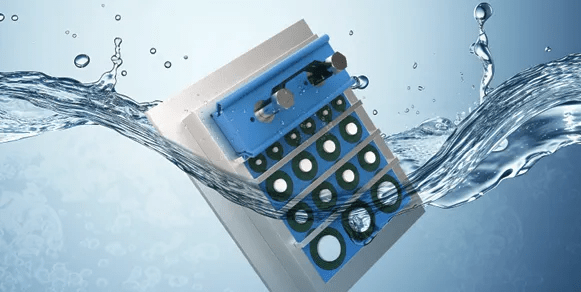
places far more stringent requirements on IP68 sealing module materials than freshwater or ordinary humid environments. Due to seawater’s high salinity, strong conductivity, biological activity, and chemical corrosiveness, conventional IP68 sealing materials (such as EPDM used in mobile phones or outdoor lighting fixtures) may fail rapidly in seawater. Below are six special requirements that TST SEAL IP68 sealing module materials must meet in seawater environments, along with corresponding engineering strategies:
- Resistance to chloride ion corrosion (Pitting & Crevice Corrosion Resistance)
Challenge:
The concentration of Cl⁻ in seawater is approximately 19,000 ppm, which can easily cause pitting corrosion (especially 304) and crevice corrosion in stainless steel.
Material requirements:
Metal parts: Must be made of 316L stainless steel (Mo ≥ 2.5%) or higher grade (such as 2205 duplex steel, titanium alloy).
To avoid galvanic corrosion: the sealing module and the housing material must be electrochemically compatible (e.g., aluminum housing with insulating gasket).
Standard references:
ISO 15156 / NACE MR0175 (resistance to sulfide stress cracking), ASTM G48 (pitting corrosion test).
✅ Practical recommendations: 316L has a corrosion resistance depth of ≤30m in still seawater; for dynamic/high-temperature environments, it needs to be upgraded to super duplex steel or titanium.
- Resistance of rubber materials to seawater aging
Challenge:
The salt, microorganisms, and dissolved oxygen in seawater can accelerate the swelling, hardening, or cracking of rubber.
Material property comparison:
Material | Seawater resistance | reason | applicability |
EPDM (Ethylene Propylene Dioxide) | ★★★★☆ | Saturated main chain, resistant to polar media | Mainstream choice (shallow water ≤ 50m) |
Silicone rubber (VMQ) | ★★★☆☆ | It has good temperature resistance but low mechanical strength. | It can be used, but a tear-resistant design is required. |
Fluororubber (FKM) | ★★☆☆☆ | Excellent oil resistance, but not resistant to hot water/steam. | ❌ Not recommended (seawater temperature fluctuates greatly) |
Chloroprene rubber (CR) | ★☆☆☆☆ | Easily hydrolyzed, short lifespan | Disable |
Perfluoroelastomer (FFKM) | ★★★★★ | Almost inert, resistant to all media | Deep sea/critical components (high cost) |
Key metrics:
After soaking for 1000 hours, the volume change is ≤5%;
Tensile strength retention rate ≥70%.
- Biofouling Resistance
Challenge:
Barnacles, mussels, and algae adhere to sealed surfaces →
Localized stress concentration leads to cracking.
After death, the body decomposes and produces acid, which corrodes metals and rubber.
Solution:
Surface treatment:
Smooth polishing (Ra ≤0.4μm) reduces adhesion points;
Apply a low surface energy coating (such as fluoropolymers or silanes);
Material modification:
Adding biocides (such as cuprous oxide) must comply with environmental regulations.
Use self-cleaning elastomers (micro-vibration releases adhering substances).
Note: Antifouling coatings must be certified by the IMO AFS Convention and must not contain toxic substances such as TBT.
- Resistance to electrochemical corrosion and stray current
Challenge:
Seawater is an excellent electrolyte, and the contact between different metals forms a galvanic cell, which accelerates anodic corrosion (such as aluminum + stainless steel).
Protective measures:
Insulation and isolation: PTFE or nylon gaskets are installed between dissimilar metals;
Cathodic protection: large structures (such as platforms) are equipped with sacrificial anodes (zinc blocks);
Avoid copper alloys: Copper ions catalyze rubber aging.
- Elasticity retention over a wide temperature range
challenge:
Tropical waters: Surface water temperature >35°C → accelerates aging;
Deep sea/polar regions: Water temperature <5°C → Rubber becomes brittle.
Material requirements:
Glass transition temperature (Tg) < -40°C;
Hardness change after heat aging ≤ ±10 Shore A (100°C × 70h).
✅ Recommended: High-saturation EPDM (ENB content <5%) + UV/antioxidant formula.
- Long-term compression set
Challenge:
Under seawater immersion and hydrostatic pressure, rubber is prone to irreversible deformation, leading to a decrease in sealing force.
Performance requirements:
ASTM D395 Method B:
Conditions: 70°C × 70h × seawater immersion;
Acceptable standard: Compression set ≤ 25%.
💡 Data Reference: TST SEAL premium nuclear-grade EPDM is predicted to deform by less than 30% over 25 years in simulated seawater.
VII. Industry Certification and Testing Standards
For IP68 sealing in seawater environments, the following verifications must be passed:
Test Project | standard | Require |
Salt spray test | ISO 9227 / ASTM B117 | No red rust after ≥1000 hours (316L) |
Seawater immersion aging | ASTM D471 + Custom | Volume/hardness/tensile properties meet standards |
Bioattachment | ISO 21806 / IMO AFS | Low adhesion rate or can be removed |
Electrochemical compatibility | ASTM G71 | No significant galvanic corrosion |
IP68 verification | IEC 60529 | Artificial seawater (not fresh water!) must be used. |
📌 Key Reminder: Many manufacturers use distilled water for IP68 testing, which does not mean it is suitable for seawater! When purchasing, you must clearly specify “artificial seawater per ASTM D1141”.
VIII. Recommended Typical Material Combinations (Based on Water Depth)
Application scenarios | Sealing body | Metal frame | Additional measures |
Nearshore/intertidal zone (0–10m) | Weather-resistant EPDM | 316L stainless steel | Surface passivation treatment |
Offshore wind turbine foundation (10–50m) | Nuclear-grade EPDM | 316L + Dacromet coating | Double seal |
Deep-sea ROV (50–300m) | FFKM or VMQ | Titanium alloy (Gr2) | Oil compensation chamber |
Submarine Penetrating Components | Metal C-ring + Flexible graphite | High-strength steel | Helium leak detection ≤10⁻⁶ Pa·m³/s |
The core requirements for IP68 sealing materials in seawater environments can be summarized as follows:
✅ Resistance to Cl⁻ corrosion (316L and above);
✅ Rubber resistance to seawater aging (mainly EPDM);
✅ Prevention of biofouling (smooth surface + coating);
✅ Electrochemical compatibility (insulation and isolation);
✅ Wide temperature range elasticity retention (Tg < -40°C);
✅ Verification in real seawater (not freshwater testing!).
TST SEAL recommends that
in marine engineering, consumer electronics-grade IP68 sealing modules should not be used directly. Instead, industrial-grade sealing systems like those from TST SEAL , which are designed specifically for seawater and proven in real-world environments, should be selected , and a complete material compatibility report should be obtained.