In the penetration sealing systems of ship bulkheads, wind turbine towers, and nuclear power control cabinets, there’s an “unsung hero”—it doesn’t conduct electricity or transmit signals, yet with just a few Newtons of pre-tensioning force, it supports the entire system’s watertight, airtight, and fireproof barrier. This is the TST SEAL tensioning block (Expanding Wedge), the core force-bearing component in the sealing module, a true engineering marvel of “using a small force to move a great weight.”
I. What does the tensioning block do? Simply put: it seals by “squeezing”!
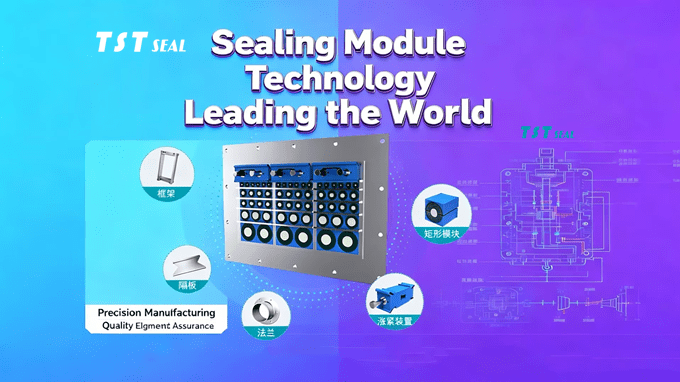
A TST SEAL sealing module typically consists of a frame + variable-diameter sealing module + partition + tensioning device. The tensioning block is the core actuating component of the tensioning device. When the bolt is tightened, the tensioning block slides along the inclined surface, converting axial force into radial expansion force, thereby:
Compressing the sealing rubber to achieve IP68 protection;
Locking the cable/pipe in place to resist vibration and displacement;
Distributing pressure evenly to prevent localized leakage.
Without it, even the best sealing materials would be ineffective.
II. Key Performance Requirements: Small Part, Big Challenge
High strength: Must withstand locking forces of over 30kN without deformation;
Corrosion resistance: Long-term exposure to salt spray, oil, and chemicals;
Low friction coefficient: Ensures smooth sliding and prevents “jamming”;
Dimensional accuracy: Tolerance of ±0.1mm to ensure uniform pressure distribution.
Therefore, TST SEAL high-end tensioning blocks often use 316L stainless steel with surface hardening treatment, or engineering plastics (such as PEEK) for lightweight applications. III. TST SEAL Practical Case Studies: From Warships to Laboratories, It’s Everywhere
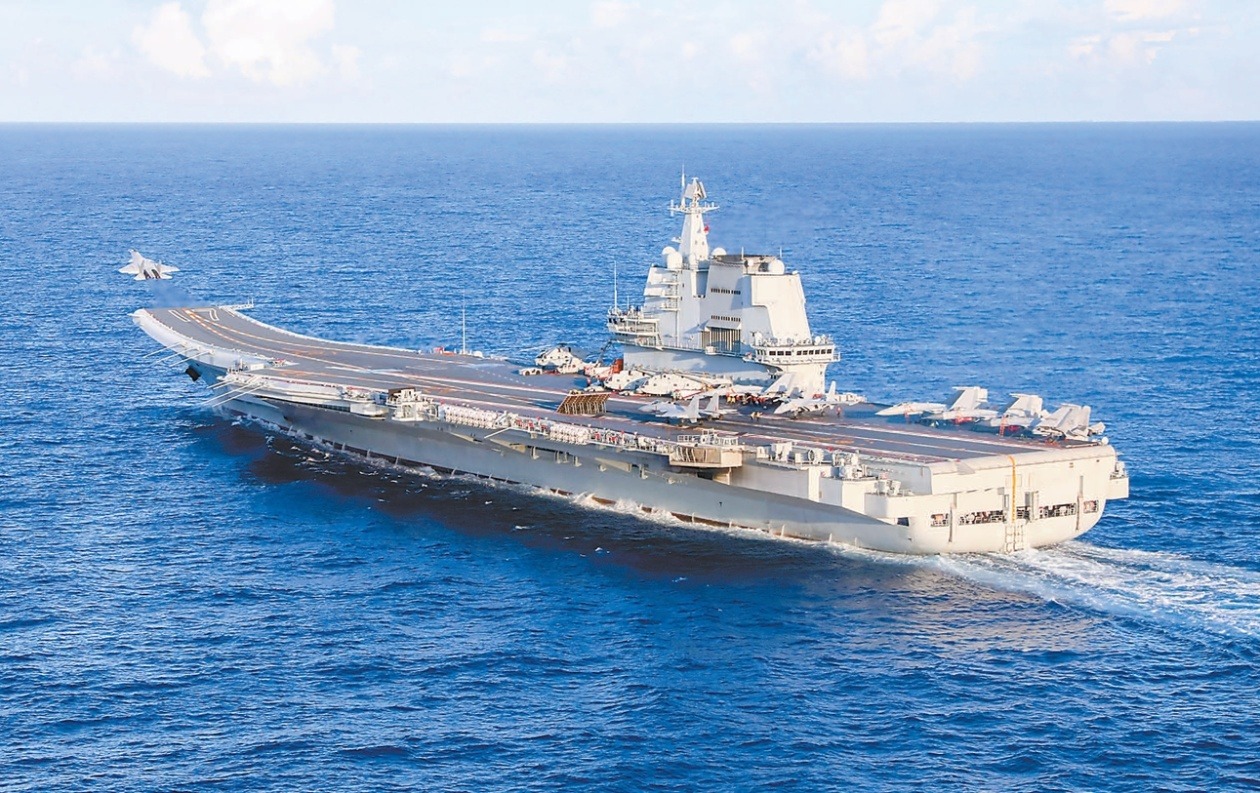
✅ Case 1: Cable Penetration Sealing on a Domestic Destroyer
Problem: Traditional compression plate seals loosened under high vibration, leading to seawater leakage into the power distribution compartment;
Solution: TST TSB-M series sealing system was adopted, featuring built-in dual-bevel 316L tensioning blocks;
Result: Passed the Navy GJB 150A vibration test (5–500Hz, 8Grms), and has been in continuous service for 4 years with zero leakage.
✅ Case 2: European Biosafety Level 3 (BSL-3) Laboratory
Requirement: Maintain a positive pressure of 0.5 MPa to prevent pathogen leakage;
Configuration: Rectangular sealing frame + EPDM modules + PEEK tensioning blocks (metal-free to avoid interference with precision instruments);
Result: Passed EN 13795 airtightness certification, becoming a recommended solution by the European Centre for Disease Prevention and Control (ECDC).
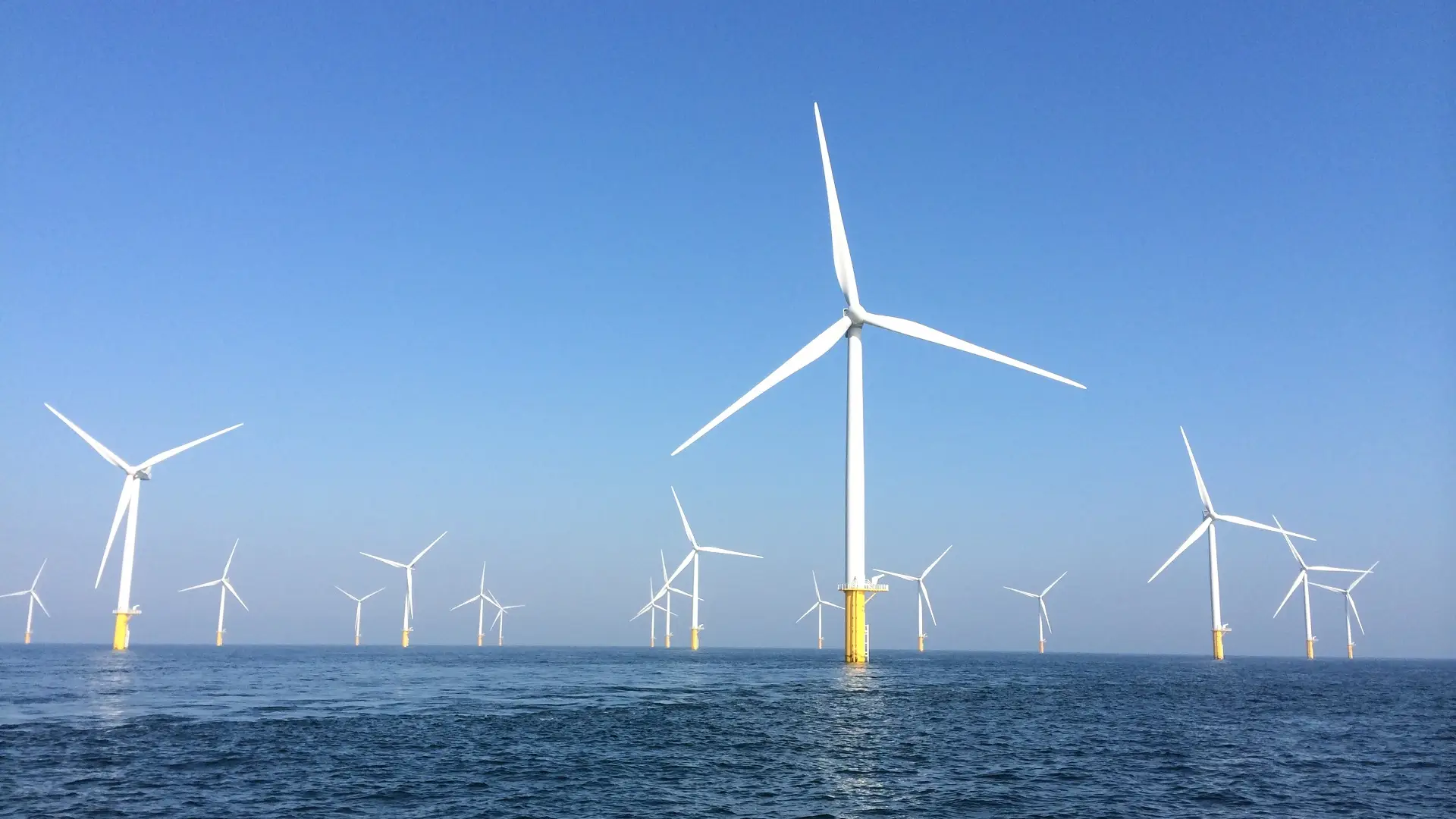
✅ Case 3: Offshore Wind Power Substation
Challenge: Large temperature difference inside the tower (-20℃~+70℃), causing corrosion and jamming of ordinary carbon steel tensioning blocks;
Upgrade: Switched to passivated 316L tensioning blocks + self-lubricating coating;
Benefits: Maintenance cycle extended from 1 year to 5-10 years, saving over €200,000 in operation and maintenance costs per project. IV. TST SEAL Main Specifications and Models Reference Table
Model | Material | Applicable Frame Series | Maximum Clamping Force | Surface Treatment | Typical Applications
TB-316L-01 | 316L Stainless Steel | TST-RF50/100 | 35 kN | Passivation + PTFE Coating | Marine, Offshore Engineering
TB-PEEK-02 | PEEK Engineering Plastic | TST-LM30 | 12 kN | Natural Polishing | Laboratory, Medical
TB-304-03 | 304 Stainless Steel | TST-SF20 | 25 kN | Electrolytic Polishing | Chemical, Food
TB-AL6061-04 | Aluminum Alloy (Anodized) | TST-LW15 | 8 kN | Hard Anodizing | Rail Transit, Aerospace
Note: TST is the product code for TST Seal, and has obtained certifications from DNV, RS, ABS, BV, RINA, CCS, CRCC, CCC, IOS, EN, ROHS & REACH, etc.
V. Future Trends: Smarter, Greener, More Integrated
Self-Sensing Tensioning Blocks
TST SEAL embeds miniature strain gauges to monitor preload decay in real time, providing early warning of “seal fatigue” via Bluetooth. This has already been applied in pilot wind power projects.
Bio-based Composite Materials
TST SEAL is developing PLA/carbon fiber reinforced tensioning blocks for non-load-bearing applications, achieving biodegradability and a low carbon footprint.
TST SEAL Modular Quick-Assembly Design
The new generation of TST SEAL “snap-on” tensioning blocks requires no tools for installation and is compatible with automated assembly lines – a demand already expressed by a globally renowned new energy vehicle super factory.
Digital Twin Matching
The number of tensioning blocks and torque parameters are automatically output through BIM models, eliminating human installation errors.
Although the TST SEAL tensioning block is only the size of a palm, it represents a crucial leap in sealing systems from “functional” to “reliable.” In today’s era of energy transition, defense upgrades, and accelerated development of life sciences, this silent “mechanical converter” is safeguarding tons of safety with millimeter-level precision. As one marine engineer jokingly remarked, “We’re not afraid of storms, only of loose seals—and the TST SEAL tensioning block is our ‘stabilizing force’.”
In the future, with the integration of green materials and intelligent sensing, this small metal (or plastic) block will continue to silently exert its influence in the gaps of global high-end manufacturing, steadily supporting a world of safety.