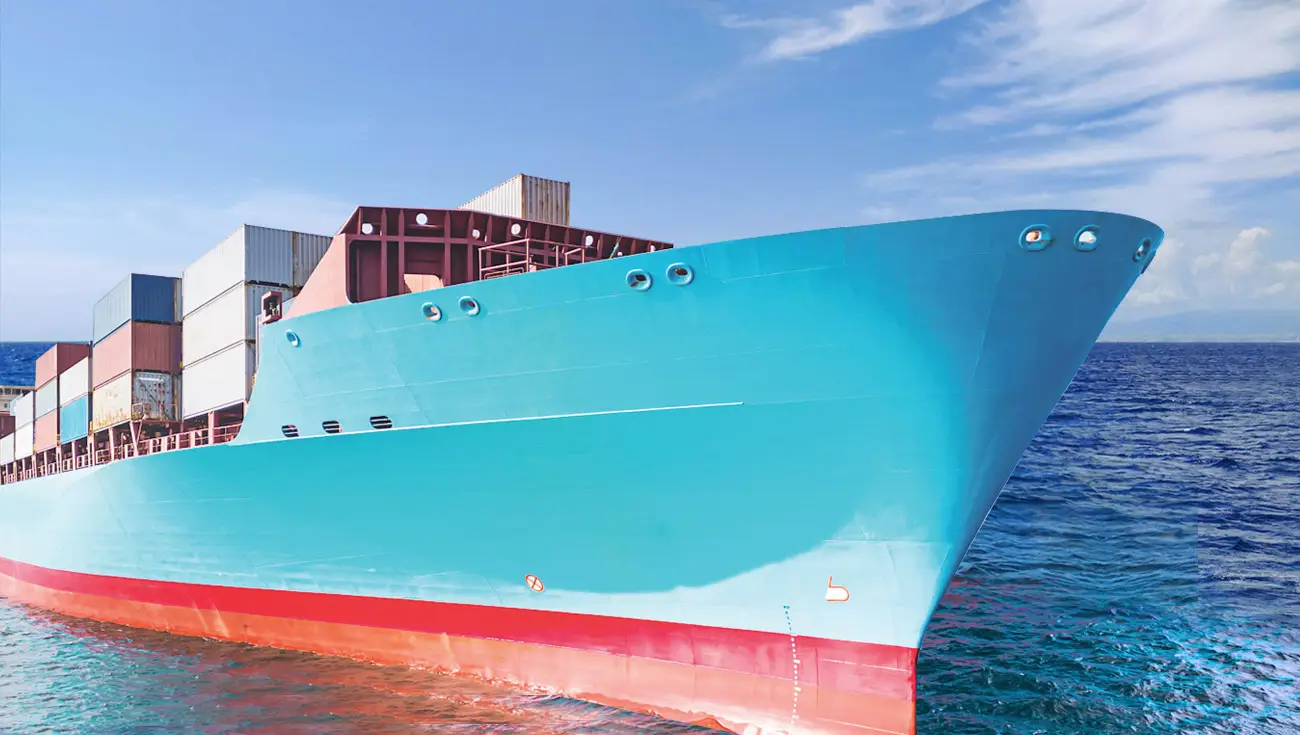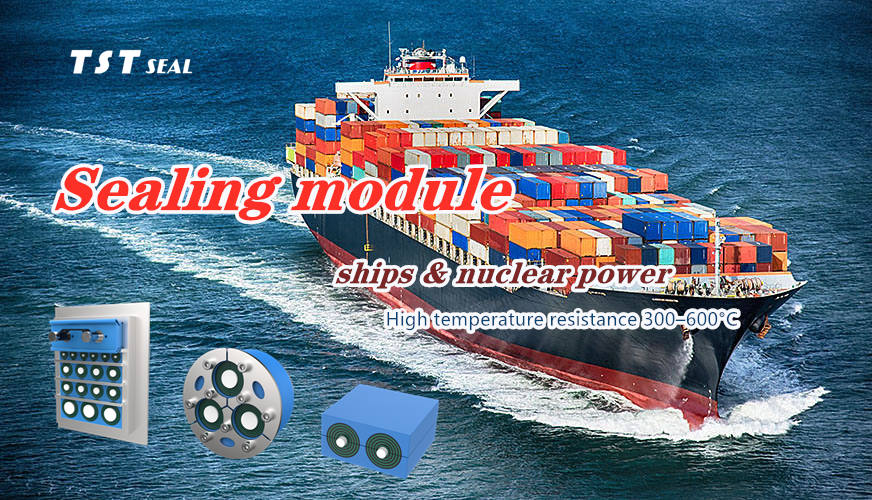
Picture this: a 300-meter-long LNG carrier slicing through Arctic ice at -40°C, or a stealth frigate dodging waves in the North Sea while its radar hums with classified signals. Beneath the drama of steel and sea lies an unsung hero—the modular sealing system—working silently to keep fire out, water in check, and electromagnetic secrets locked tight. And guess what? It’s getting greener, smarter, and very European-friendly.
Why Sealing Matters More Than You Think
On ships, every cable, pipe, or sensor that punches through a bulkhead or deck is a potential weak spot. In harsh marine environments—salt spray, humidity, vibration, fire risk—a poor seal isn’t just a leak; it’s a catastrophe waiting to happen.
LNG carriers must survive cryogenic temps (-162°C cargo!) while meeting A-60 fire ratings. One spark near a gas leak? No thanks.
Naval vessels demand EMI shielding (to stop signal leaks), explosion-proofing, and corrosion resistance that lasts decades—even in Mediterranean sun or Baltic frost.
Enter modular sealing systems: the Swiss Army knives of maritime safety.
Real-World Wins: From Rotterdam to the South China Sea
✅ Case 1: European LNG Giants Trust Modular Seals
In 2024, a major European shipyard building 174,000 m³ LNG carriers for a QatarEnergy contract chose certified modular cable transit systems over traditional putty-and-plate solutions. Why?
A-60 fire certification (IMO FTP Code compliant)
Zero maintenance for 30 years—critical when your delivery schedule is booked until 2028!
Tool-free re-entry: Adding new sensors during retrofits? Done in hours, not days.
Result? Faster commissioning, lower lifecycle costs, and zero fire-related delays.
✅ Case 2: A NATO Frigate Goes “Silent but Deadly”
A Western European navy recently upgraded its command-and-control cabins on a new-generation frigate. The challenge? Prevent electromagnetic leakage that could betray its position.
Solution: EMI-shielded sealing modules with 63 dB attenuation (14 kHz–18 GHz)—enough to block even the nosiest spy drone.
Bonus: The 316L stainless steel frames passed 1,000-hour salt spray tests without a hint of rust. Sailors called it “the invisible bodyguard.”
The Green Wave: Sustainability Meets Seaworthiness
Europeans love performance—but they demand sustainability. Good news:TST SEAL modern sealing modules are answering the call.
Bio-based EPDM rubber: Made from renewable feedstocks (think sugarcane, not crude oil), cutting CO₂ by up to 40%.
Recycled 316L stainless steel: Up to 85% post-consumer content, fully traceable via digital material passports.
Halogen-free, RoHS-compliant: No toxic fumes during fire—protecting crew and the ocean.
Companies like TST Sealing (China-based but globally certified) now offer modules approved by DNV, BV, LR, ABS, and CCS—meaning seamless integration into EU supply chains. And yes, they’re REACH-compliant. Bien sûr!
What’s Next? Smarter, Lighter, Greener
The future of marine sealing isn’t just about keeping water out—it’s about intelligence, integration, and impact reduction:
Smart Seals with IoT Sensors
Imagine seals that report their own temperature, moisture ingress, or corrosion status in real time. Pilot projects are already live on offshore wind service vessels—next stop: LNG carriers.
Modular = Circular
Design for disassembly means worn seals can be returned, refurbished, or recycled. Some manufacturers now offer “seal-as-a-service” models—pay per year, not per unit.
Arctic & Hydrogen Ready
As Europe pushes green hydrogen and Arctic LNG, seals must handle -60°C brittleness and hydrogen embrittlement. New nanocomposite elastomers are rising to the challenge.
TST SEAL Small Hole Sealing system, Big Responsibility
That tiny opening where a cable enters a warship’s combat room or an LNG tank’s monitoring system? It’s more than a hole—it’s a strategic vulnerability. But with the right modular sealing solution, it becomes a fortress.
For European shipbuilders, operators, and navies balancing performance, safety, and planet, the message is clear: Go modular. Go certified. Go green.
Because in the deep blue, there’s no room for compromise—only clever engineering wrapped in stainless steel and sustainable ambition.